



The Inside Word
The clock is now ticking for the Albanese Government
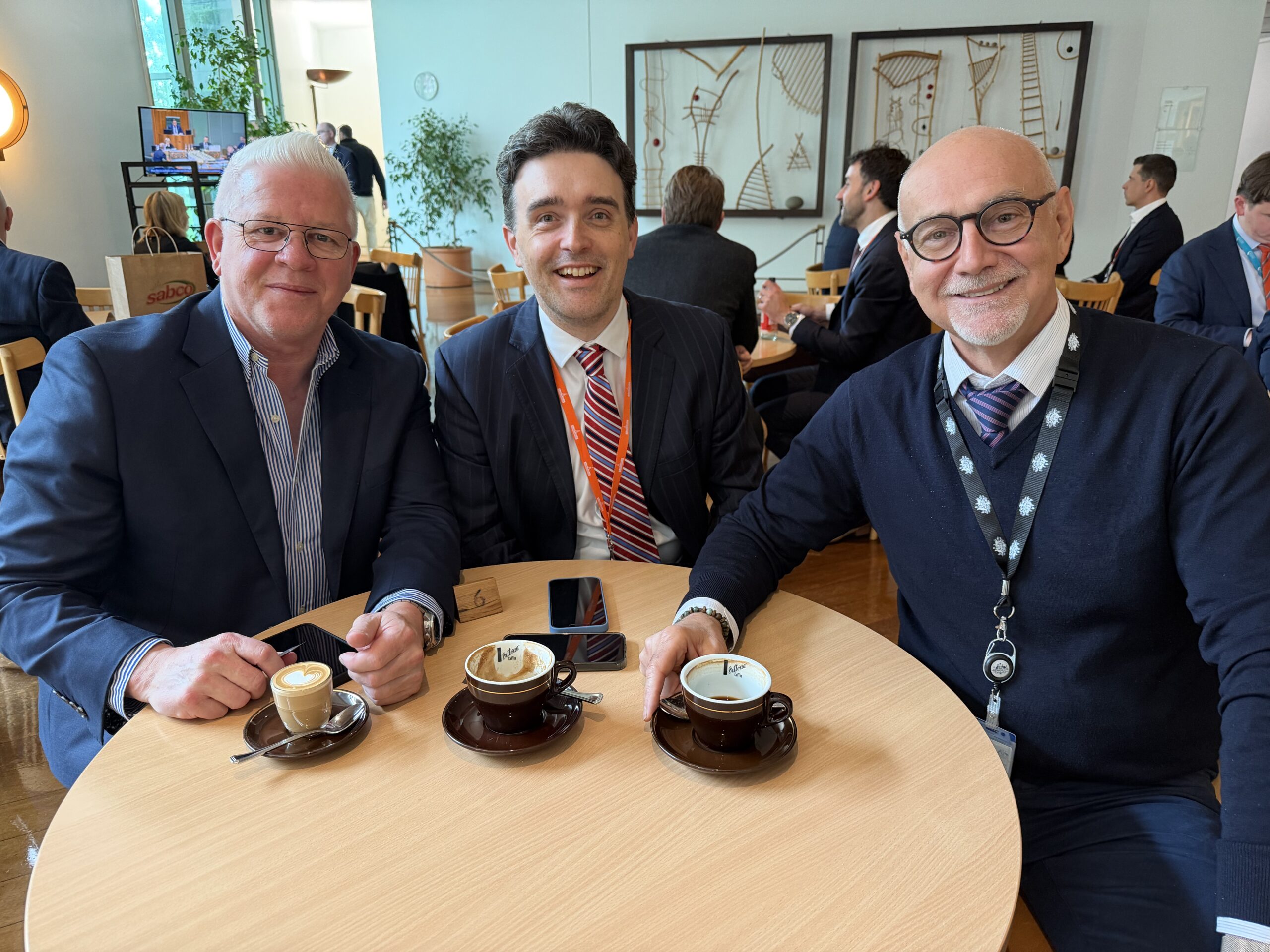
Tonight the Treasurer has handed down the Albanese Government’s first budget of its second term, and on the evidence of Parliament House this afternoon, you would barely know it. The corridors were quiet, interest groups were subdued, and none of the pre-budget theatre that usually accompanies a major announcement was on display. That stillness is worth noting. With tax settings, the NDIS and a raft of business-facing measures all in play, there is no shortage of interest groups that could have descended on the building today. That they haven’t suggests a Government confident it has done the groundwork, and Jim’s speech tonight has given government members confidence to take the budget to their electorates.
The lack of activity in the building today was a striking backdrop given the year just gone. A re-elected Government, a trade war, a terrorist attack, an energy shock and the outbreak of war abroad would, in another era, make for a tense budget. Instead, the mood was measured. Much has been written about how Labor should use this moment to deliver lasting change and position itself as the natural party of government. Tonight’s document will be read through that lens, but my view is that the budget itself is not where the second term will be won or lost.
This budget will be talked about intensely for a few days and weeks, but will largely be forgotten by the 2028 election. What matters is whether the Government can get its key measures legislated well before the next campaign begins. One contact I spoke to put it this way: voters may grumble about the tax changes now, but if the measures are legislated and in place before the 2028 election, most will shrug and move on, especially given the level of grandfathering proposed. People I spoke to today remain acutely aware of the alternative: the campaign-platform problems of 2016 and 2019, when unlegislated tax proposals became a target rather than a settled fact. Those same people remain nervous that the campaigns against these measures are yet to begin.
This sets up the next phase of the Government’s work, and it is where we will be watching most closely. Expect the Government to press the Greens hard on capital gains tax, negative gearing and trust reforms, saying: pass it quickly, or wear the obstructionist label. The Opposition will face equivalent pressure on the business-facing measures, including changes to the instant asset write-off, loss carry-forward provisions and the next round of NDIS reforms. Both the Greens and the Coalition will have legitimate concerns to prosecute, and both will be looking for moments to put the Government on the back foot. The question is whether either can do so without being framed as standing in the way of delivery.
All of this plays out in the context of a steady rise in disillusionment with the economic system, expressed most visibly in the One Nation vote and in a softening of the major-party share more broadly. For the good of the country, we hope the Opposition uses this moment to rebuild itself. For the Government, the contest that matters is not really with the Coalition; it is with the clock. If Labor cannot show measurable progress on issues such as housing starts, housing affordability, business energy costs and inflation by 2028, the quiet of Parliament House tonight will look very different in hindsight: not the calm of a Government in command, but the lull before an unforgiving electorate has its say.