



The Inside Word
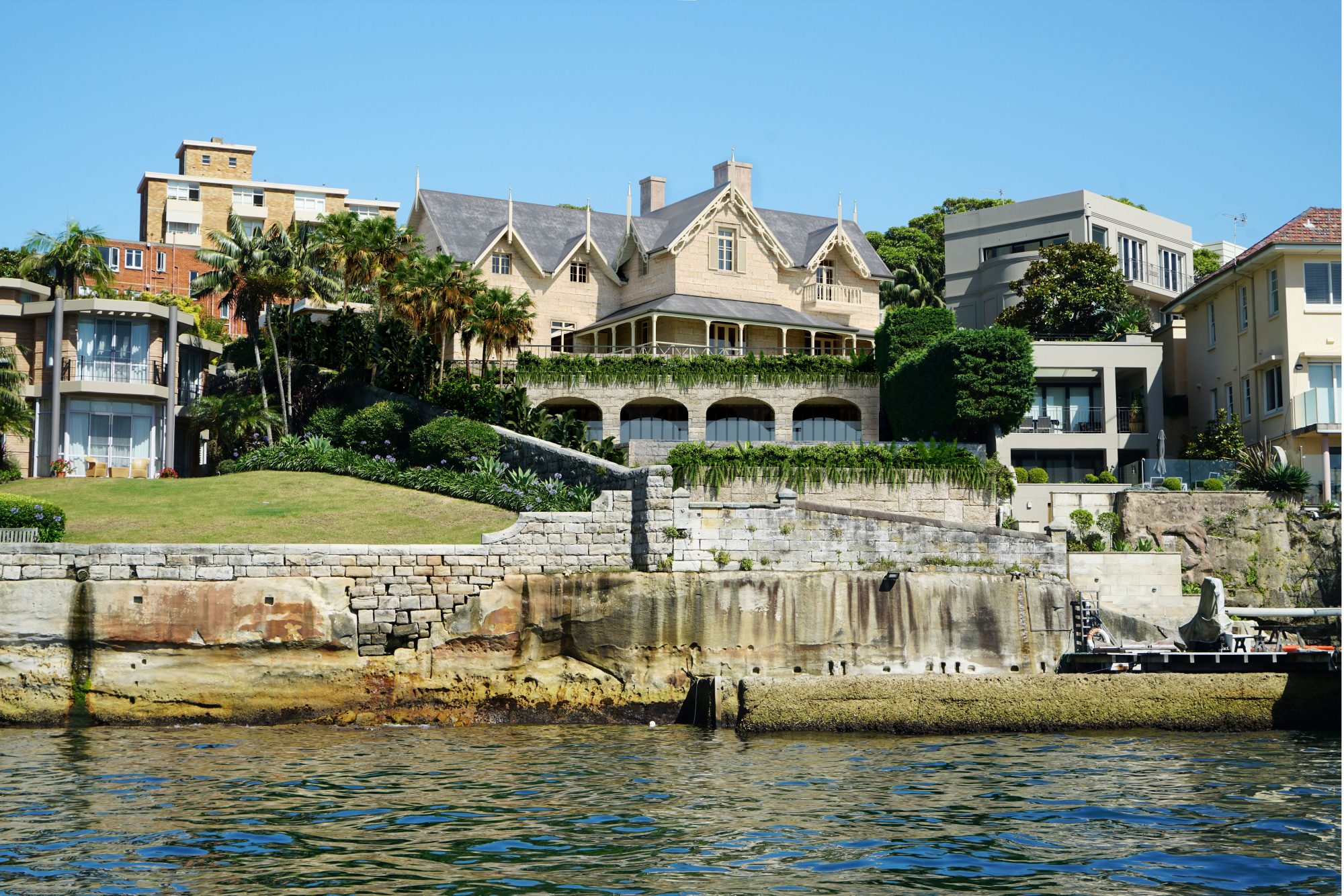
Reading the room from Kirribilli House
Kirribilli House, perched high on a cliff above Sydney Harbour, is about as far as it is possible to be from the mythical ‘everyday Australian’ referenced so often in political debate.
Little wonder, then, that our Prime Ministers, ensconced behind the stone walls of their second official residence in one of Sydney’s swankiest suburbs, can be seen as cut off from the conversations and moods of the nation.
Even those with the most finely tuned political radars risk missing the national discussion, and rely partly on media coverage as their barometer of the mood. But the Canberra press gallery – generally well paid and living in the bubble of privilege and power – is hardly any closer to the mainstream struggles of average voters.
In fact, it’s often the case that the zeitgeist is awake to politicians long before the mainstream media. That happened to Scott Morrison in relation to his Hawaiian holiday while parts of the country were battling bushfires. The “I don’t hold a hose” memes were the devastating political commentary that haunted Morrison to the end of his term.
Now it’s happened to Anthony Albanese, with the wave of social media memes from furious business owners mockingly declaring him to be their new business partner. This is not something that the Opposition has orchestrated (and, frankly, it’s shown little sign that it would be capable of such political wizardry).
Instead, the most damning and damaging response to the recent Federal Budget has come from middle Australia – small business owners who launched an online rebellion against the government’s tax changes – in many cases days before the media sniffed the mood. This is, for me, the most remarkable aspect of the Budget debate – citizen commentary leading the mainstream media and forcing coverage of issues that were being dismissed as a scare campaign by some news outlets.
Such a quiet uprising would not have been possible in the days before social media. Previously, aggrieved citizens would have turned to talkback radio, phoning electorate offices, and ultimately the ballot box to have their say. The national mood was more readily apparent to MPs and Prime Ministers than it is today.
Anthony Albanese has a thumping majority in the Parliament, and even the most optimistic Coalition supporter would struggle to predict a win for conservative forces at the next election. However, the wave of funny, strident and downright angry commentary shows the government has clearly broken its connection with voters, and they feel they are not being heard or understood.
Criticism of the budget is coming from all areas, and all ages. While the budget was cast as a solution to financial disadvantage for younger generations, the criticism has often been just as furious among young people. For whatever personal reasons – including tax treatment of their home-savings investments or attacks on their businesses – plenty of the government’s target voters have forcefully rejected the message.
How did a government that seemed impervious to attack only a month ago manage to get this so wrong? Some will argue that the budget detail is right but the sales pitch has not landed, while others will say the broken tax promises were the mistake.
Either way, the Albanese Government has clearly been caught flat-footed with its policies or its PR, and it has opened the door ever so slightly for the Opposition to gain some much-needed ground.
And for the record – the Coalition was no quicker to understand and respond to the national mood than the government was. As my colleague Winston Harris points out elsewhere in The Inside Word, it’s this lack of connection with the public from both sides that is driving voters to One Nation.
The side of politics that recaptures its sense of the public mood and really understands what voters are saying will be in the best position for the 2028 election. If they can’t grasp that from traditional tools such as door-knocking or talkback radio, they just need to look at the memes. The zeitgeist has it figured out.