



The Inside Word
Political capital gains and losses
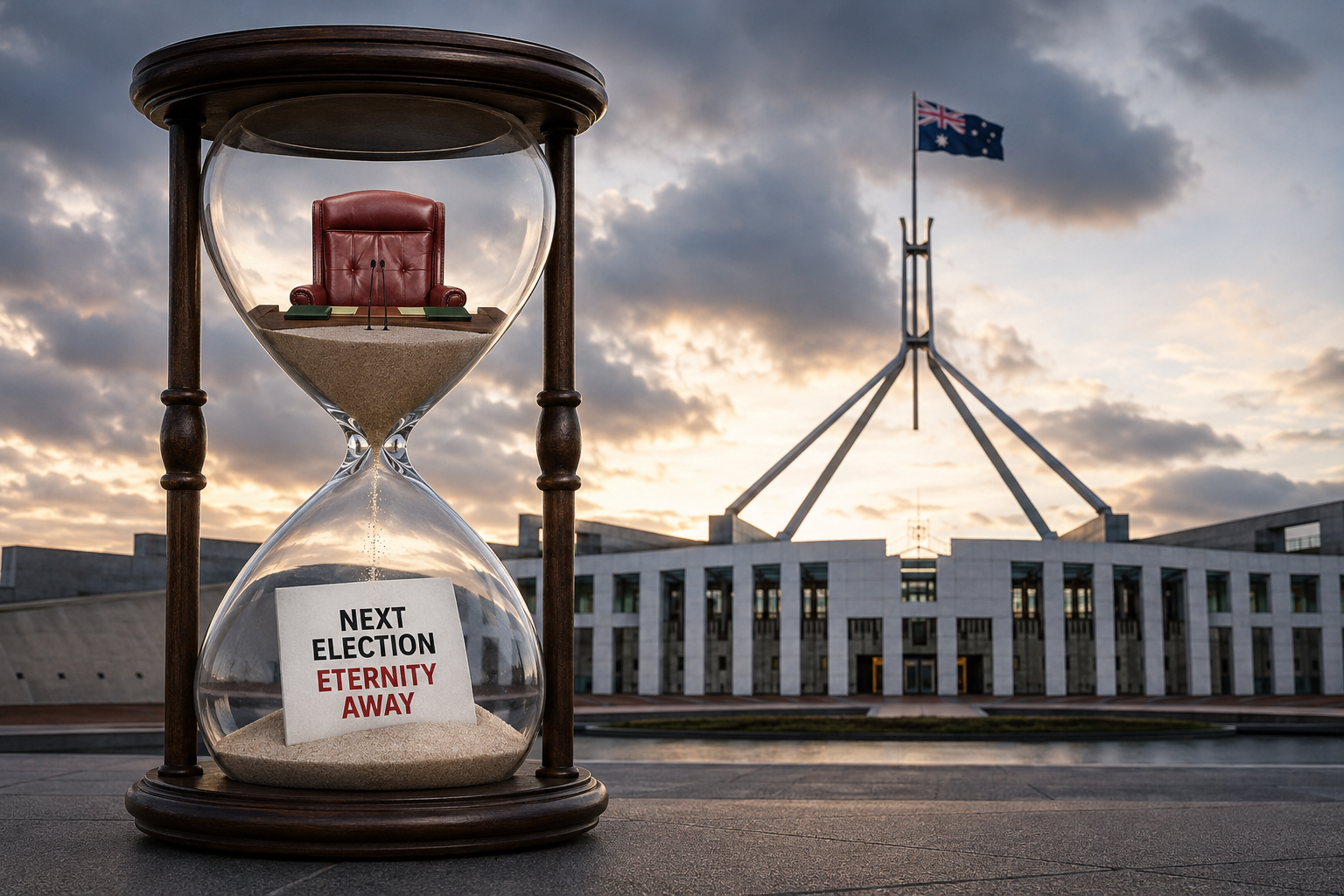
It was two-time UK Labour Prime Minister Harold Wilson who famously said, “In politics, a week is a long time.” For the federal Labor government, the next election is an eternity away with a margin large enough to weather a serious storm, so technically one week is just a blink.
High interest rates, low productivity, unaffordable housing, expensive energy, diesel and aviation fuel shortages, the export of our energy crisis, imported fertiliser shortages, the cost-of-living crisis, slowing wages on top of high employment rates and rising interest rates lead to exceedingly tough economic times. And with the stagflation bogeyman knocking at the door, limiting the RBA’s effective use of raising interest rates to curb inflation, households can be forgiven for any anxieties about their future. In the real world this creates fear and anxiety; in the political world it creates a long winter of discontent.
Wading deep through complex solutions to complex challenges is difficult at the best of times. A single palatable fix does not exist. This problem is further exacerbated by the growing challenge of meeting community expectations to support our ‘way of life’, deeply entrenched through our national standard of living expectations generously underpinned by our social welfare system.
This is where the annual budget-week festival of executive policy positioning is meant to provide hope in the face of despair — an over-the-horizon glimpse of a brighter future. After all, politics is about hope that tomorrow will be a better day. Importantly, it’s also meant to provide government a leg up in the game of give-and-take budget promises, particularly given the budget is but one small cog in the machinery of government. To a lesser extent it’s also an opportunity for the Opposition and others to clearly state their own vision – oh, and whack the government.
Instead, the budget two years out from an election has created an environment of uncertainty and disruption to the way people have been organising their financial affairs for decades. The Albanese Government will gather support from the Greens in the Senate to push the budget reforms through Parliament, but the numbers that count are at the ballot box.
The expectation that budget commentary would ease off quickly in support of housing affordability reforms has gone the other way. If recent polling is any measure, then both Labor and the Liberals need to look more closely at what voters are saying. Labor is much better positioned to survive an onslaught of voter disenchantment, but at what cost? Ceding marginal seats and enormous ground to One Nation is not the answer. In this context, batting away criticisms from the usual suspects gets more difficult when it comes from outside the regular media sources. Even more complicated when it’s coming from the savvy “young” crowd – potentially Labor voters – annoyed at impacts to their share portfolios, small business owners working for growth rather than wages, and the social media-connected investors no longer saving for a house. It’s also the place where effective campaigns bite hard in marginal seats.
With the next federal election an eternity away and no real opposition in sight, Labor’s economic and budget teams led by Jim Chalmers would be confident they can ride the wave of discontent with enough political capital in the bank. But if polling continues on its current trajectory, then plenty of Labor members with seats in the ‘expendable political capital category’ may start to have a different view.
Labor has learned many lessons since previous failed attempts in this policy area, and maybe the timing is right for this very broad reform brush. Time will tell, but where I have no doubt is that this will play directly into One Nation’s rhetoric and help continue its rise in popularity – and oddly enough with the very same people Labor is aiming to help: young folk wanting to buy a house.
Labor still holds poll position in this election race, but in just one week the odds have significantly changed.