



The Inside Word
Impact: creating our own story
The Austrian philosopher Ludwig Wittgenstein once wrote, “The limits of my language mean the limits of my world.”
Like all emerging industries, social impact in Queensland is still developing a common language, one that fosters a shared story which in turn enables collective action.
A genuinely effective and robust impact ecosystem in Queensland, underpinned by a defensible and attractive investment market, is only possible if we can talk to each other and articulate a compelling proposition to government, investors and our own communities.
At the heart of SAS Impact is the knowledge that public policy and social enterprise are two sides of the same coin and neither attracts capital if it can’t demonstrate value. Intractable or wicked social, cultural, economic and environmental challenges are such because no one individual, organisation, politician, funding source or policy change can address them. They demand sustained innovation and determined collaboration from multiple sources of expertise and experience.
To do that as a sector, we need to speak the same language and genuinely seek to understand each other. Sharing the same story in which we each find our place will also amplify our capacity to engage political decision makers and instil confidence in potential investors.
Some time ago I completed some postgraduate work in public policy analysis at the London School of Economics and Political Science (LSE). I am currently undertaking further postgraduate work in social impact through the Centre for Social Impact at the University of New South Wales (UNSW).
In my learning materials, I noticed something interesting. In the world of public policy at LSE, the figure illustrated in the example below is known as a Results Chain. In the world of social impact at UNSW, it is defined as a Program Logic. Same terms, same figure, same visible depiction of the same concept.
I share this for two reasons: firstly, it demonstrates just how closely aligned are public policy and social impact and thus how important it is that your enterprise aligns with policy priorities and processes; and secondly, as an encouragement to develop or reform your own enterprise such that your services, your care, your products, respond not only to the immediate need of the individual but equally reflect our shared vision of sustainably fostering human flourishing as a society.
Think triple bottom line: 1) run a financially sustainable enterprise 2) that delivers measurable outcomes while 3) partnering with government to respond to or even solve a wicked problem.
To put this into action, each social enterprise needs to develop its own unique Theory of Change, Program Logic and Measurement Indicators — perhaps several if you are a large enterprise with multiple business units. This process must be informed by context (e.g. your values, history), your vision, the needs of those you seek to serve, public policy priorities and the appetite of different sources of capital. Corporate governance and organisational culture are crucial to any effort in this space. A corporate structure not fit for your purpose will only work against you.
This might feel all too overwhelming, especially if your organisation is a large, historically block funded enterprise in a highly regulated market. Add in some God stuff if you are faith-based, and it’s even more complex.
That’s the challenge SAS Impact is designed to address. We help our clients take stock of current operations to develop impact strategy, align internal and external factors, trace the line from what you invest through to the change you create and, critically, to communicate that story to the stakeholders who need to hear it. Whether you’re making the case to a minister, a board, a community, or an investor, being able to articulate your impact is the difference between reporting activity and demonstrating value.
This is of course a bold vision — but we wouldn’t be doing this work if we weren’t already motivated by a vision others find daunting.
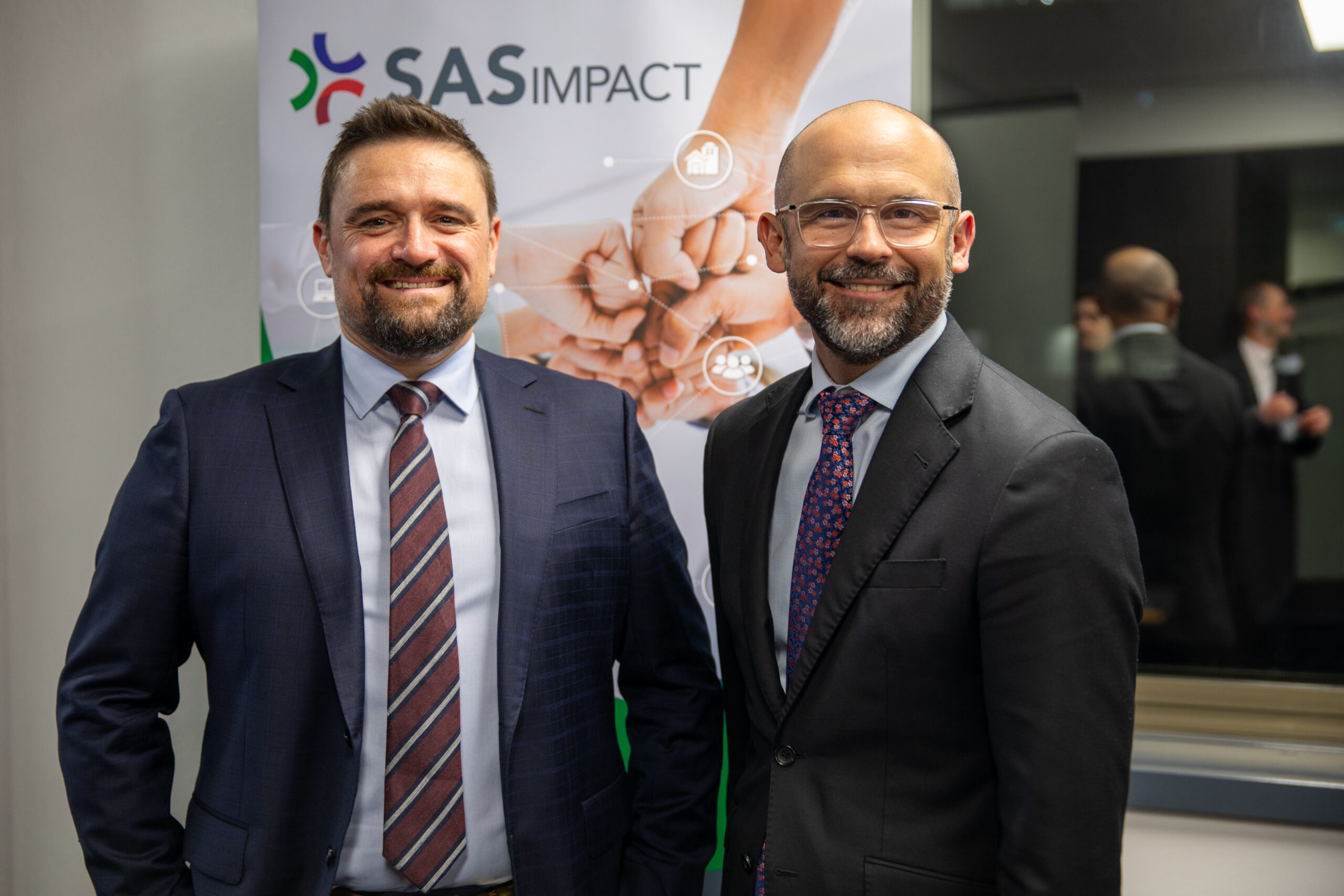
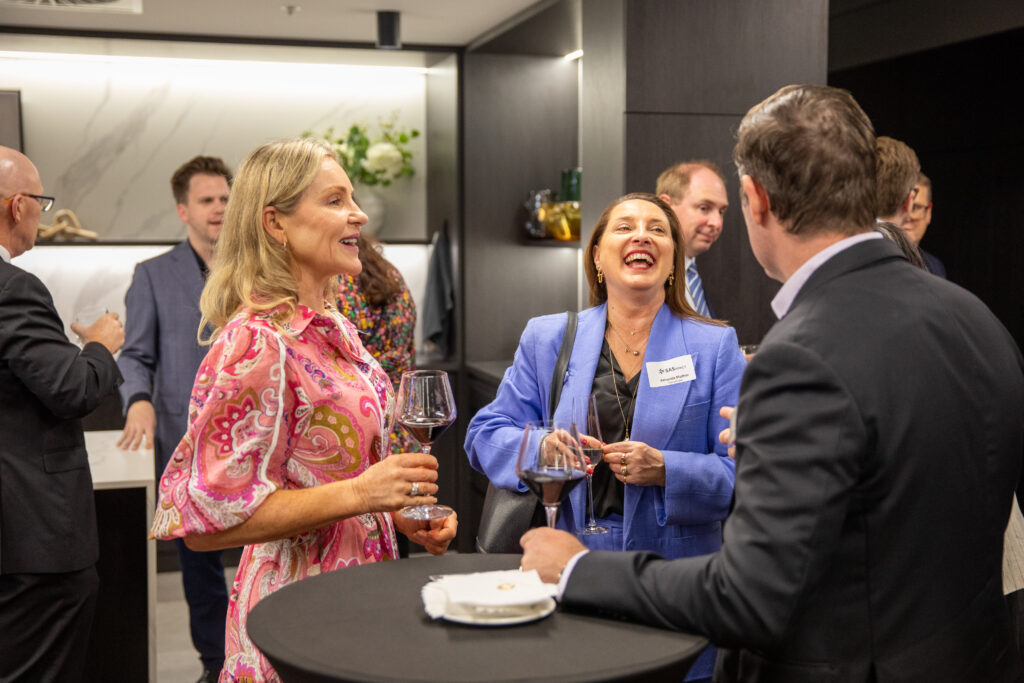
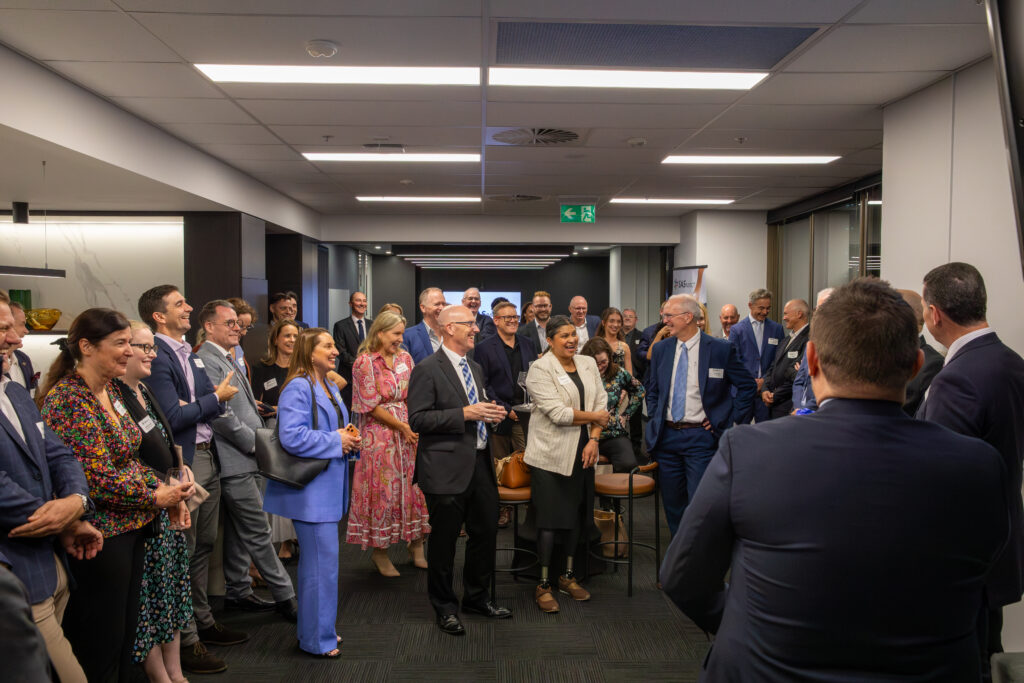
For those of you who joined us on Wednesday, thank you. The conversation is just beginning, and I look forward to speaking with you again soon.
For those who couldn’t make it — let’s talk.
If you would like to see a practical example of a program logic please click here