



The Inside Word
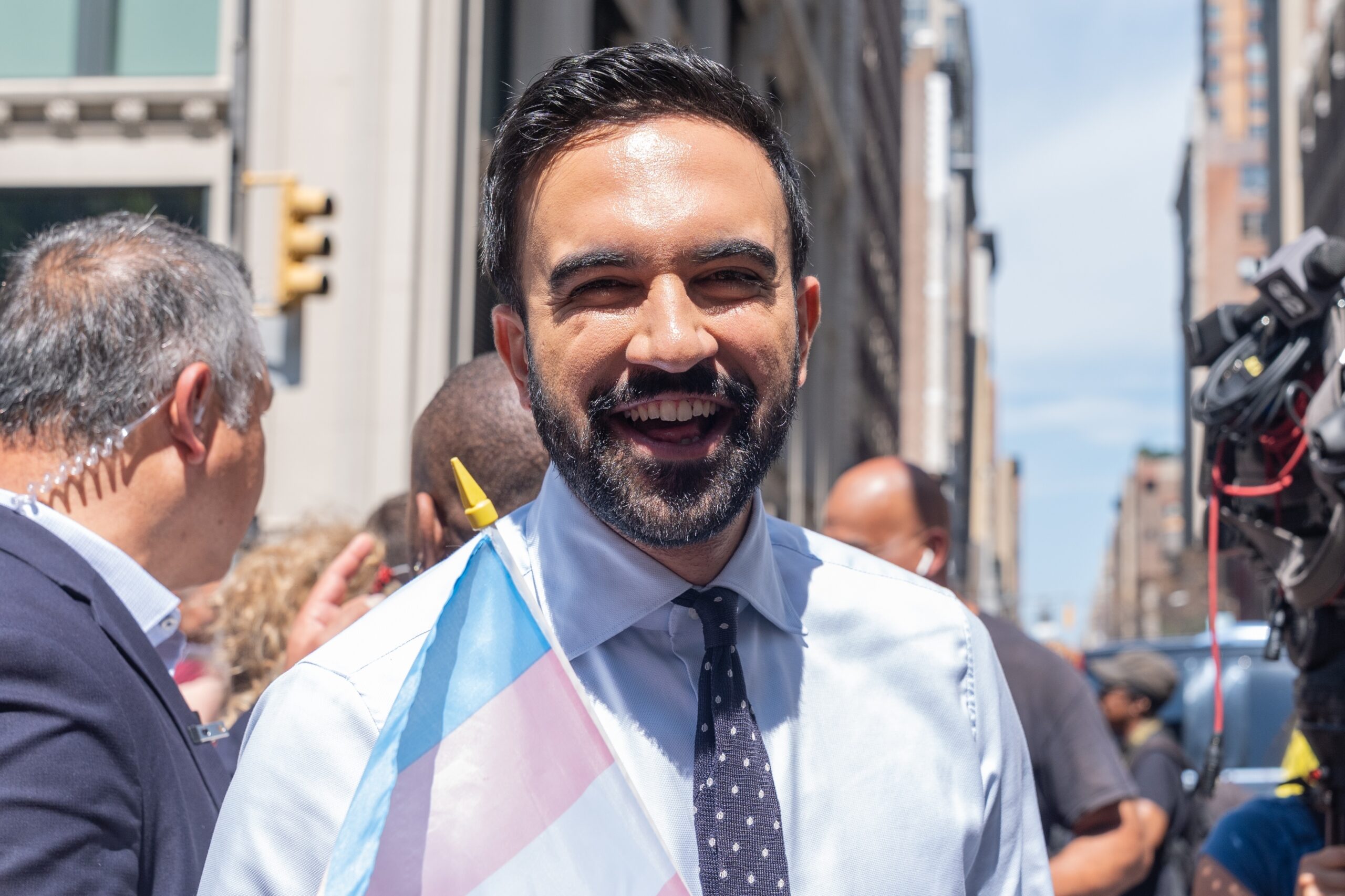
On the inside looking out
Power has a tendency to set you adrift. Not all at once — it happens slowly, the way someone stops noticing the background noise of a city they’ve lived in too long. You rise, your circle narrows, your information gets filtered, and somewhere in that process you stop hearing the things that don’t make it past the people paid to summarise them.
The danger isn’t malice. It’s altitude.
When the federal budget landed, the first and most immediate verdict didn’t come from talkback radio, the morning papers or electorate offices. It came from social media — fast, unfiltered, and disproportionately from the one demographic that Labor, above all, could not afford to alienate. Gen Z and Millennials outnumbered Baby Boomers at the ballot box for the first time in 2025. The largest voting bloc in the country. And they were reacting in real time, on platforms that most of the MPs responding to the budget had never opened.
You would only have known that if you were on the scroll.
The breakdown is structural. Most MPs still read the electorate through the electorate office — calls, emails, the occasional constituent meeting. That model made sense when those were the channels people used. This generation does not ring an office and ask to have a considered conversation. To be brutally honest, many wouldn’t know or be interested in the existence of an electorate office. They post. They tag. They make a twenty-second video that gets seen by forty thousand people. The dopamine hit of a platform is the point. And a political communications strategy that’s underestimated this is flying blind.
That’s not a Labor problem specifically. It’s an everywhere problem. The Opposition faces the same fragmented landscape. The Opposition was already bludgeoned by this in the last election. Time will tell how Labor fares.
The politician who has most legibly solved this is Zohran Mamdani. The newly elected Mayor of New York is worth studying not because he is particularly ideological — though he is — but because of the discipline underneath the content. Simple messages. No assumed language. Nothing that requires the audience to meet him halfway on terminology they never agreed to learn. He treats the algorithm as infrastructure, not as a place to occasionally post. Between his election and inauguration his team published over six hundred posts across platforms, generating more than a billion impressions — not through reach buying, but through relentless consistency and an apparent refusal to believe his audience is less intelligent than he is.
His power doesn’t sit in the loftiness of his secured position. It sits in his relationship with the city’s core community. He is, despite now being Mayor, still communicating like someone standing on the outside looking in with his voters. Most leaders, the moment they take office, retreat to the safety of the inside — the briefings, the gatekeepers, the controlled environment — and the distance starts immediately. The voters who put you there don’t disappear. They just stop feeling like they’re part of the conversation.
The lesson extends well past politics. Any leader — in business, in institutions, in public life — who relies entirely on the channels of old for feedback is not reading the room and is probably teetering on the edge of losing their social licence.
The cord between power and people doesn’t snap suddenly. It frays. And by the time you notice, you’re already too far up to hear what’s being said below.