


The Inside Word
AI and DC in ’28
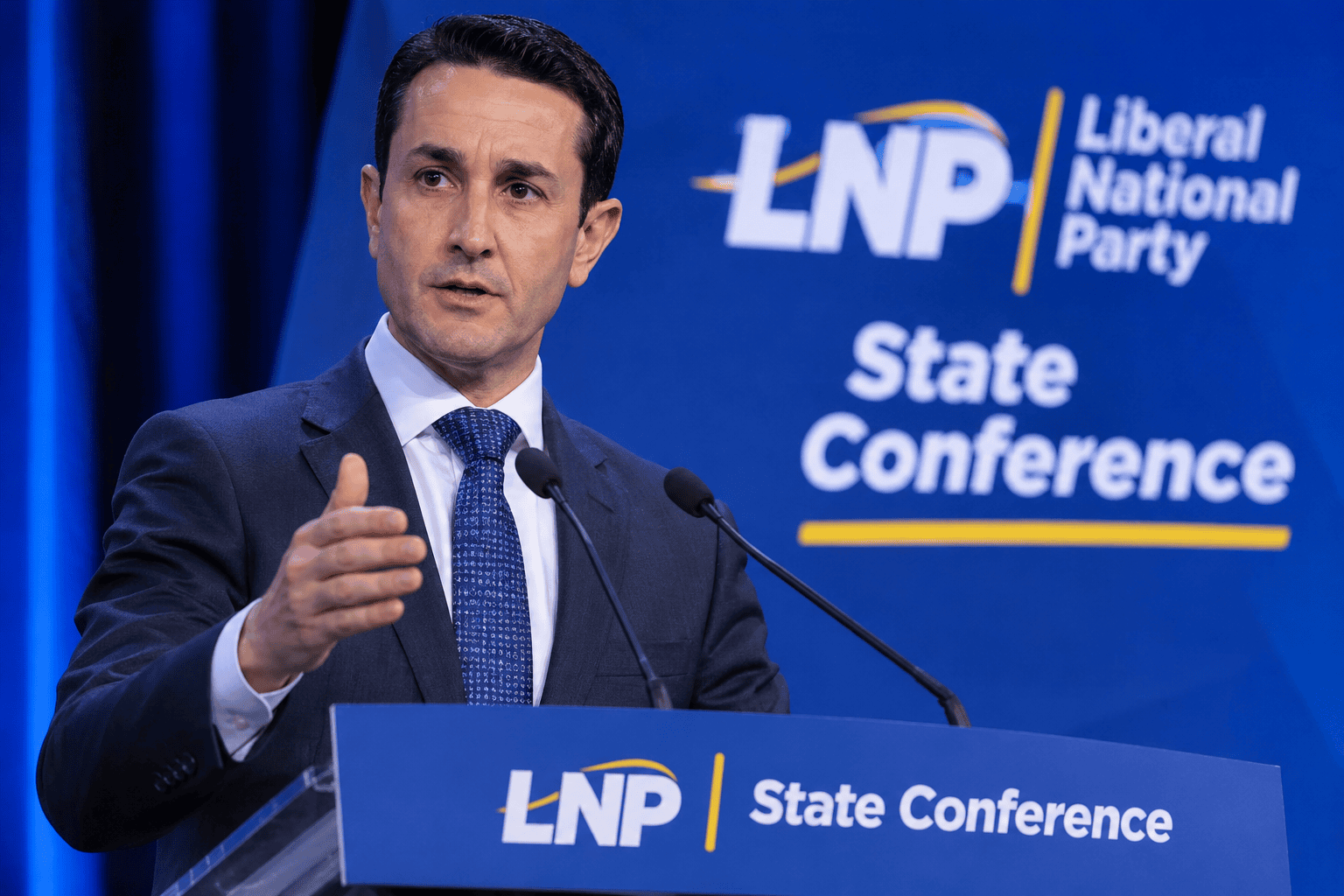
I’ve just been in the Western Downs for the LNP State Council, home to the proposed $32 billion data centre where Anthropic, the maker of Claude, has signed on as the first tenant.
Everyone’s talking about AI at the moment, and Queensland is chasing the data centres to power it. So halfway through Premier Crisafulli’s first term, I thought I’d do what all political tragics do with spare time – ask the robots to call the 2028 state election.
I gave Claude, ChatGPT and Gemini the same prompt – who wins, why, and which top 10 seats will influence the outcome.
The big call
All three tip the LNP for a second term. They differ on the reasoning and the margin.
Gemini reads the two-party-preferred numbers and calls a returned majority. ChatGPT and Claude look at the primary vote, where the LNP has slid from 41.5 per cent at the election while One Nation has surged from 8 per cent. The latest DemosAU poll has the LNP ahead 57–43 after preferences. Both expect a trimmed majority. Same polls, different number trusted. So, like every pub argument, ever.
Ten seats to watch
Each model named ten seats, though ChatGPT refused to rank its list. I’ve sorted each column from tightest to widest margin, in percentage points on the final boundaries unless marked 2024.
| Claude | ChatGPT | Gemini | |
|---|---|---|---|
| 1 | Pine Rivers (ALP 0.7) | Beenleigh (ALP 0.7) | Pine Rivers (ALP 0.7) |
| 2 | Beenleigh (ALP 0.7) | Rockhampton (LNP 0.8) | Rockhampton (LNP 0.8) |
| 3 | Rockhampton (LNP 0.8) | Redlands (LNP 0.8) | Pumicestone (LNP 1.4) |
| 4 | Stafford (ALP, about 1.2) | Caboolture (LNP 1.2) | Caloundra (LNP 1.4) |
| 5 | Logan (ALP 1.3) | Logan (ALP 1.3) | Aspley (ALP 1.6) |
| 6 | Bundaberg (ALP 1.5) | Caloundra (LNP 1.4) | Nicklin, now Nambour (LNP 3.5) |
| 7 | Aspley (ALP 1.6) | Pumicestone (LNP 1.4) | Gaven (LNP 3.9) |
| 8 | Springwood (ALP 1.6) | Springwood (ALP 1.6) | Maiwar (GRN 3.9) |
| 9 | Cairns (ALP 1.7) | Lytton (ALP 3.0) | South Brisbane (ALP v GRN) |
| 10 | Lytton (ALP 3.0) | Gaven (LNP 3.9) | McConnel (ALP 8.8, 2024) |
Only Rockhampton makes all three lists. None named a seat One Nation might win (yet).
Why the lists differ
Same prompt, three different answers, and the differences aren’t random. “Which top 10 seats will influence the outcome” is open to interpretation. Claude chose the seats most likely to change hands, ChatGPT offered a watchlist rather than a ranked prediction, and Gemini grouped seats by type of fight.
Data mattered too. Gemini quoted last election’s margins, right for untouched seats like Pine Rivers but wrong for Aspley (now 1.6 Labor) and Gaven (now 3.9 LNP). ChatGPT used the new map and seems to have started from seats the boundaries moved, which may be why it skipped Pine Rivers. Ask the same model twice and the list can shift too, because these systems generate answers rather than look them up. These are my inferences.
The people and the plumbing
The Queensland Redistribution Commission’s final boundaries, gazetted on 29 June 2026, abolished Hill and Toohey, created Caboolture and Greenbank, and redrew Gaven as a notional LNP seat, a net two-seat gain for the LNP. Labor’s Meaghan Scanlon, widely touted as a future leader, will still recontest Gaven.
Amanda Camm’s resignation from the ministry and Amanda Stoker’s appointment don’t change the seat maths, since Camm holds Whitsunday on about 68 per cent after preferences and Stoker holds Oodgeroo on about 62 per cent. But none of the robots mentioned child safety, a reminder that models read polls and maps, not headlines.
Then the whispers, starting with Lytton. Rumours abound that Joan Pease, in her fourth term, will retire. In 2024, she polled 40.2 per cent against Labor’s 32.6 per cent statewide, suggesting locals vote for Joan more than for Labor. Claude calls Lytton a Labor hold at about 55 per cent with her, and a coin flip without. Labor circles also murmur that Mark Ryan won’t recontest Morayfield, with former Pumicestone MP Ali King reportedly eyeing the seat. Both are unconfirmed.
Optional preferential voting, promised but not yet legislated, would cut both ways – the LNP needs One Nation preferences, while Greens preferences still boost Labor.
What it means for seat totals
On the new boundaries, 2024’s result translates to roughly 54 LNP, 35 Labor and four others. A 2.8 per cent swing costs the LNP its majority, and Labor needs 3.5 per cent to win one.
| Scenario | LNP | Labor | Others |
|---|---|---|---|
| Polls hold (latest 57–43) | about 62 | about 27 | 4 |
| LNP loses its five thinnest seats | 49 | 40 | 4 |
| 2.8-point swing to Labor | 46 | 43 | 4 |
| 3.5-point swing to Labor | 42 | 47 | 4 |
Blending the polls and the models, I’d put the LNP in the mid-50s, Labor in the low 30s and about six on the crossbench. That’s my blend, not a robot’s.
2028 to 2032 – stability is the policy
Whoever wins inherits a construction site, with the Victoria Park stadium under way and the Games landing months before the 2032 election. Large-scale construction projects in health, education and infrastructure, while long overdue, also demand significant attention, resourcing and staffing. A hung parliament, a few seats away in the table above, would be a nightmare for the Olympics, and for a state that most needs stability, investment and a steady focus on measured growth.
The verdict
The robots agree on the winner, argue about the margin, and differ over how they read the question and which map they held. They missed sitting MPs, candidates, the headlines, the rumours, party machinations and the voting rules, which still need a human with a long memory and good contacts. I’ll be back in 2028. Bring snags.