


The Inside Word
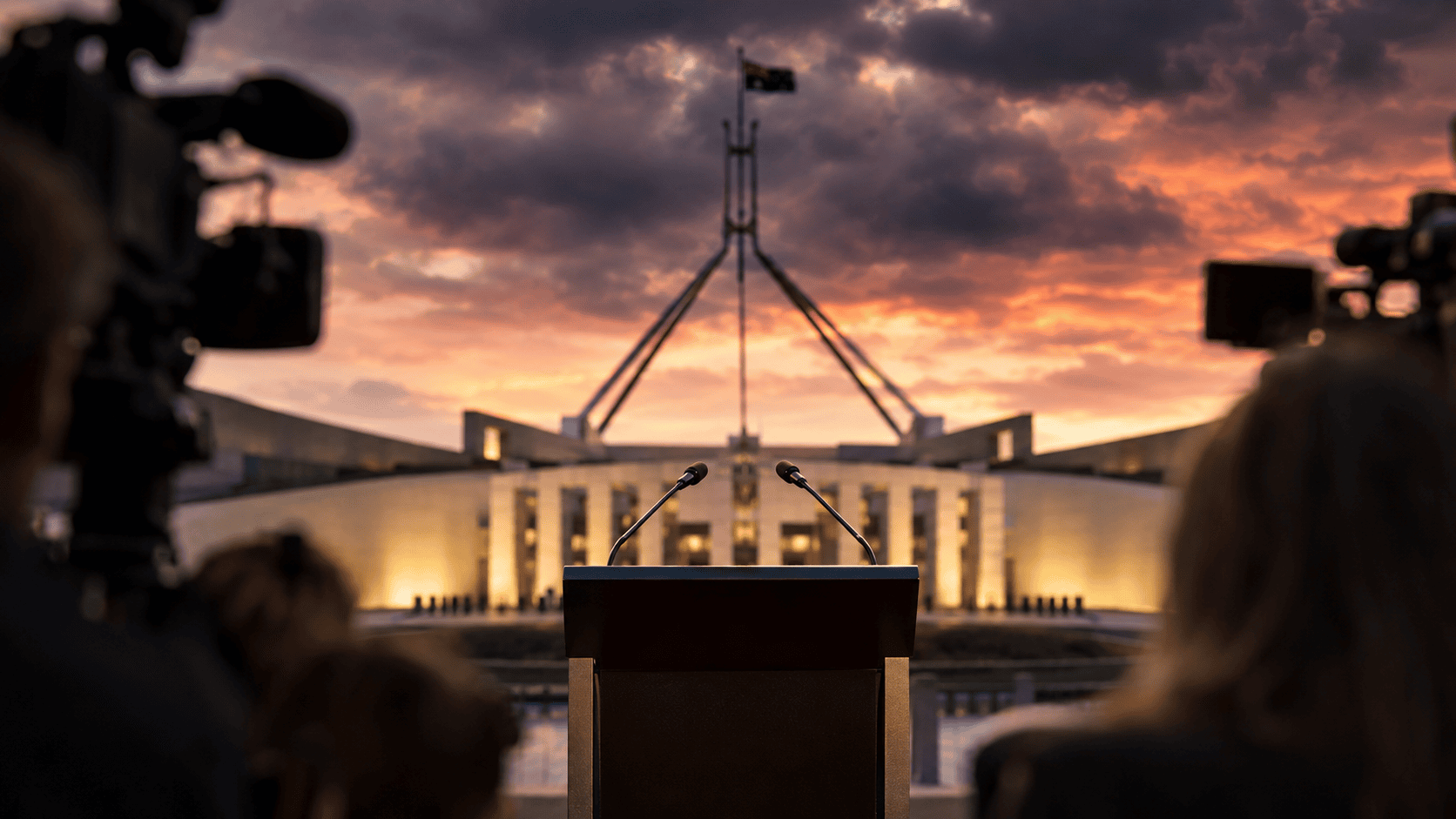
Tough crowd
Anthony Albanese has the sort of parliamentary majority most prime ministers can only dream of. The trouble is, everyone else still gets a say.
As George Washington reminds Alexander Hamilton in the musical, “Winning is easy, young man. Governing’s harder.”
Having steered Labor to two consecutive election victories, the second delivering a parliamentary majority of historic proportions, Albanese has demonstrated a rather impressive knack for the winning part.
But the month of October delivered fresh horrors on the caveats of governing for politicians and punters alike.
There is a peculiar irony in commanding an overwhelming parliamentary majority. The more power a government accumulates, the fewer people there are to blame when things don’t go according to plan.
For Labor, that problem is becoming increasingly apparent on the economic front.
October’s inflation figures delivered another unwelcome reminder that cost-of-living pressures are proving stubbornly resistant to political promises. With annual inflation reaching 4.3 per cent and the Reserve Bank subsequently lifting interest rates to 4.85 per cent, the Government faces an uncomfortable reality. Australians may understand that monetary policy is independent, but they are unlikely to make the same distinction when the mortgage comes due.
And while the Treasurer is left explaining the economic figures, the Prime Minister has demonstrated a rather more enviable ability to claim the political wins.
When business groups objected to the Australian Taxation Office’s plan to stop accepting credit card payments, Albanese told an industry gathering how a text from Australian Chamber of Commerce and Industry chief executive Andrew McKellar had prompted a swift intervention.
The only complication was that Jim Chalmers had already announced the Government’s decision to delay the change, and subsequently clarified that the two had agreed on the intervention before the now-famous text arrived.
In Canberra, success has many fathers. Unpopular economic decisions, apparently, have a Treasurer.
But beyond the politics of credit and blame lies a more consequential challenge for a government with an overwhelming mandate. Having the authority to make decisions is not quite the same as persuading everyone else to accept them.
The Coalition and Greens demonstrated as much when they found common cause in opposing Labor’s proposed private health insurance rebate changes. It was an unlikely alliance, although perhaps not quite as unlikely as either side admitting they had something in common.
For the Government, the frustration is obvious. It has the parliamentary numbers to pursue its agenda in the House of Representatives, but still needs to negotiate its way through a Senate where political convenience can occasionally overcome ideological differences.
Yet October also offered a sobering reminder that the pressures of public life extend well beyond the parliamentary chamber.
The horrific attack on independent MP Helen Haines outside her electorate office in Wangaratta sent shockwaves through the political community, with parliamentarians across the political spectrum expressing their concern.
In a country where bumping into your local MP at the supermarket or the footy is hardly unusual, the attack raised uncomfortable questions about the safety of those who represent us.
Reports of threatening and harassing behaviour towards federal parliamentarians and other protected figures have risen sharply in recent years. Politicians from across the political divide have spoken about the personal toll of abuse and intimidation, and the difficult balance between remaining accessible to their communities and protecting themselves and their families.
The motive behind the attack on Haines remains a matter for investigators, but the incident raises a question that extends well beyond party politics.
Australia has long taken pride in the relative informality of its democracy. The prospect of elected representatives needing greater security simply to meet the people they represent is a troubling one.
And perhaps that is the broader challenge confronting Australian politics.
The problems facing the country are growing more complex, while the room for political compromise appears increasingly contested.
Housing affordability is inseparable from migration and workforce shortages. Inflation complicates economic reform, while an ageing population places growing demands on health, aged care and public finances. Each challenge comes with competing interests, difficult trade-offs and consequences that rarely fit neatly within a single electoral cycle.
No parliamentary majority, however commanding, can resolve all of them alone.
For those seeking to shape public policy, the task is increasingly about finding common ground across government, opposition, industry and the wider community. The most consequential reforms will require more than political authority. They will require the willingness to work through disagreements and build support beyond party lines.
Australia’s challenges are becoming too large for any one side of politics to tackle alone.
Winning an election is one thing. Governing a country of competing demands, rising expectations and increasingly difficult choices is quite another.
The musical’s George Washington might have been onto something.