


The Inside Word
Resilience will be the measure of us
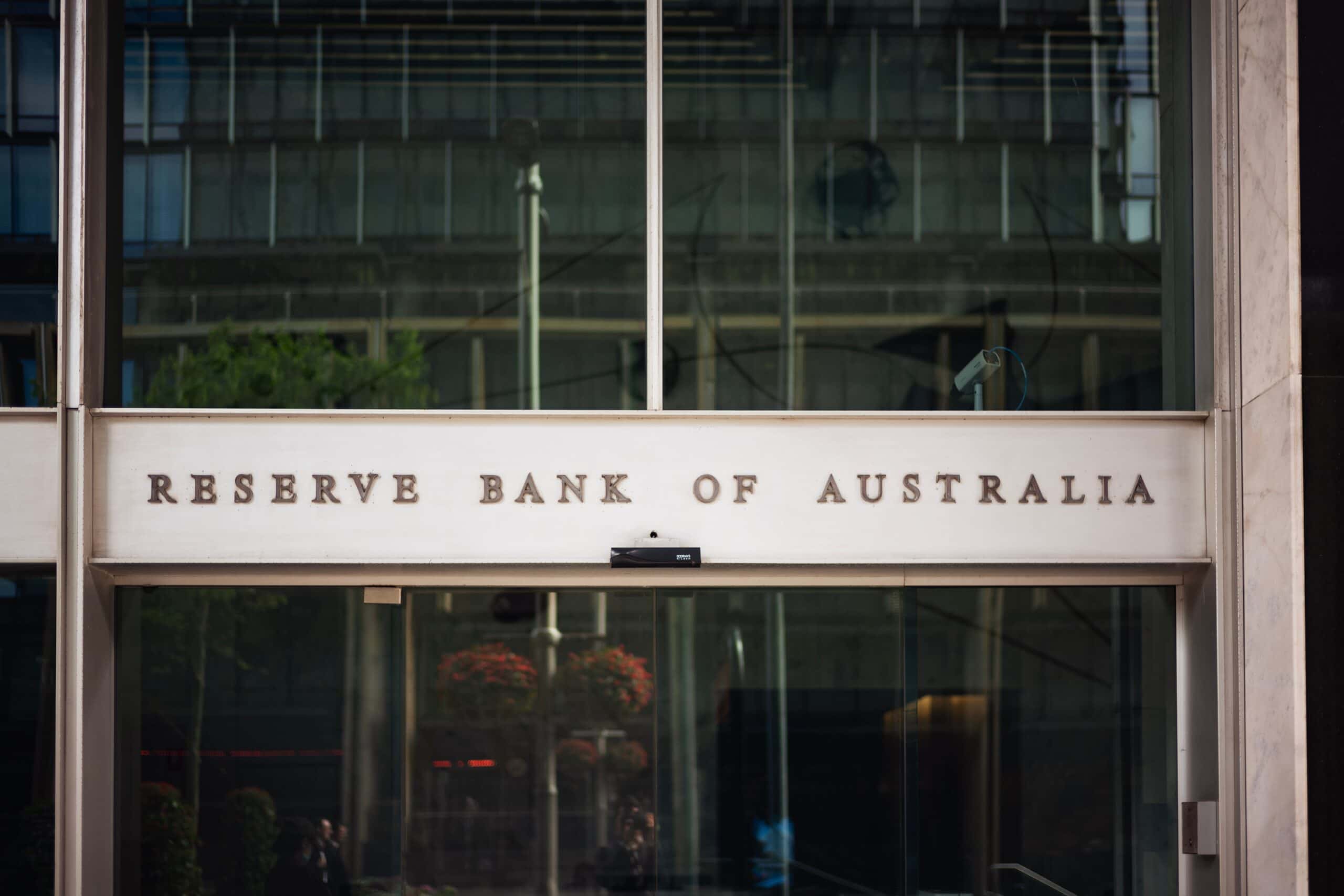
This week, the Reserve Bank lifted the cash rate to an 18-year high and told Australians to brace for harder times. Inflation is forecast to hit 4.5 per cent by December and stay above the target band until the end of 2027. Real wages are expected to go backwards by one per cent this year, and unemployment is projected to climb past five per cent. The RBA still thinks we will dodge a technical recession, but that is cold comfort to a family watching the mortgage rise while the pay packet shrinks.
This has been many years in the making and through successive governments. Tough times are coming. The hard question is whether we have the stomach to make the hard decisions that will get us through this period. The answer to that question is difficult in itself because we don’t have much experience.
Look around the world and you find very different answers. Russians have lived through the Soviet collapse, hyperinflation, the 1998 default and years of sanctions. Expectations of the state are low and the capacity to endure is high, though much of that endurance comes from having little choice.
The Chinese carry the memory of genuine scarcity, and it shows in one of the highest household savings rates in the world. Yet the unwritten social contract has long been rising living standards in exchange for political compliance. Now youth unemployment and a property slump are testing how far that patience stretches.
Europeans are harder to generalise. The Greeks absorbed a brutal austerity program after 2010 that would have toppled governments elsewhere. The French took to the streets in yellow vests over a fuel tax and are back on the streets now. Generous safety nets soften the blow, but they also build expectations that are politically painful to wind back.
Americans are perhaps the quickest to bounce back. A flexible labour market and a willingness to move for work saw them recover faster than most after 2008. But thin savings and a thin safety net mean the pain arrives quickly, and American voters have shown they will punish any government that presides over higher prices. President Donald Trump will find out just how serious that pain is through the outcome of the midterm elections.
And what about Australia? From 1991 to 2020, we enjoyed nearly three decades of uninterrupted growth. A whole generation of working Australians has never lived through a genuine recession. Our household debt is among the highest in the developed world, and with most mortgages on variable rates, every RBA decision lands straight on the kitchen table. Business is suffering and passing that pain through to customers, while our productivity has dropped off the table completely.
We have done hard things before. Under the Hawke-Keating Accord, workers accepted wage restraint in the national interest, and the economy was rebuilt on that sacrifice. But it took leaders willing to level with people, and a public willing to listen.
That is the test ahead. Not whether our institutions are sound, or whether our fundamentals are strong by global standards. They are. The test is whether Australians will accept a period of belt-tightening without demanding that someone else carry the cost.
Our resilience will be the measure of how well we cope. I hope we are tougher than we think.