



The Inside Word
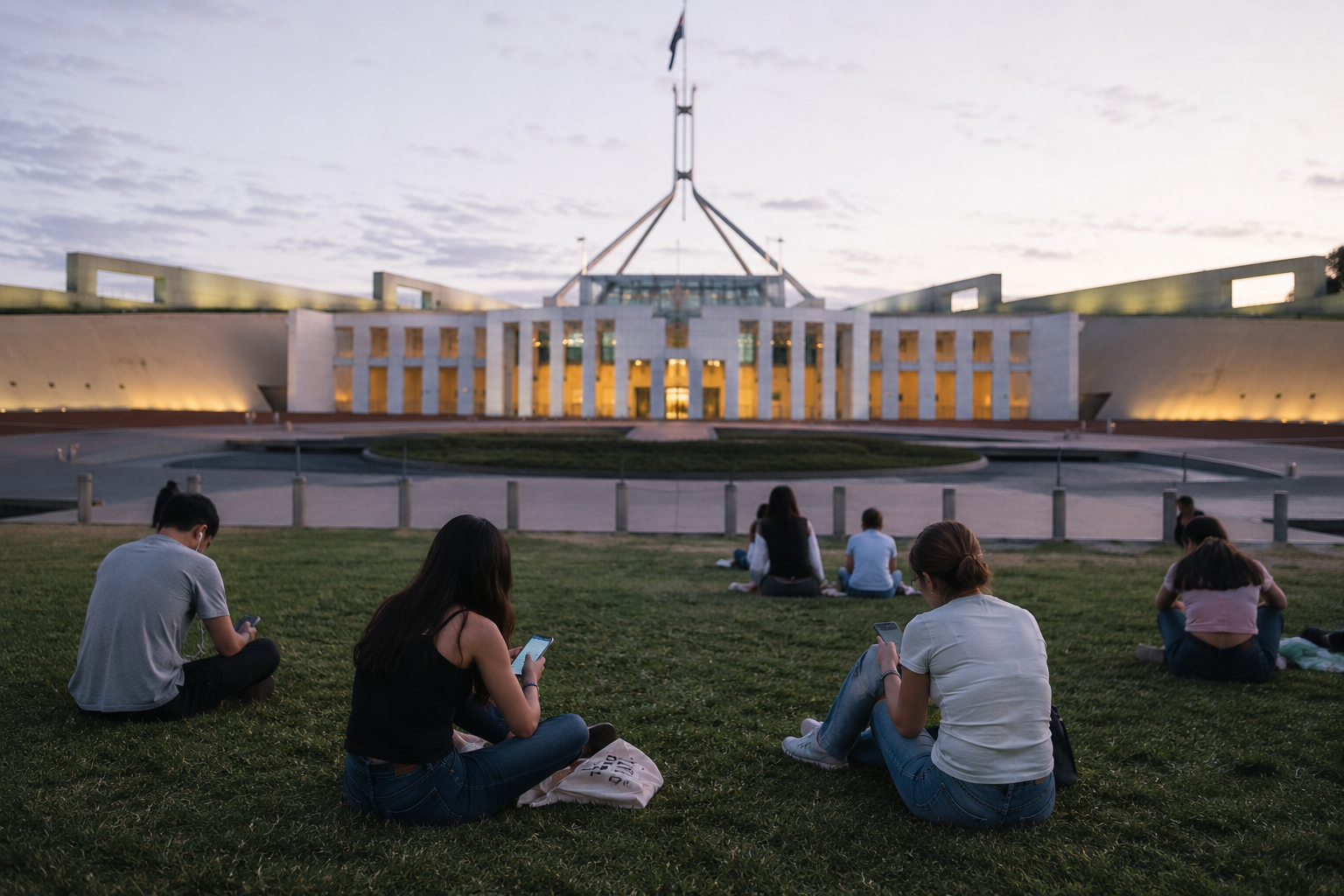
Politics vs the people
Every month, our talented team at the SAS Group workshops content ideas for The Inside Word. Often, a common theme emerges, and while we write to that theme, it’s often subtle and implied in the content.
This time, however, the theme that emerged in our discussions was so clear and strong that I feel compelled to share it up front. We have called this edition “Politics vs the People”, because of the emerging gulf between the public and our traditional democratic institutions.
We saw real evidence of this last weekend, when One Nation won its first-ever lower house seat in Western Australia, taking Secret Harbour off Labor with a by-election swing so large it has shocked both major parties.
It followed a run of federal polling through 2026 that, at various points, has had One Nation’s primary vote overtaking Labor’s outright – a position that would have been unthinkable a term ago. And with Victoria heading to the polls on 28 November, several published polls now have One Nation leading a genuine three-way contest in a state once considered rusted-on Labor territory.
Whatever one thinks of the party or its platform, I don’t think this is really a story about One Nation at all. It’s a story about the two major parties, and about the growing number of Australians who no longer feel either one is speaking to them.
The seats moving hardest are outer-suburban and regional – places carrying the sharpest edge of the cost-of-living squeeze, where the Federal Budget landed flat and the sense of being talked at rather than listened to runs deep. When the apparently popular Western Australian Premier is compelled to respond to a landslide by-election loss with essentially “we hear you”, and the Opposition is left arguing over its preference strategy, that’s not a sign of a confident political centre. It’s a sign of two major parties reacting to a mood they didn’t see coming and aren’t sure how to answer.
For those of us who advise governments, oppositions and organisations that need to work with whoever holds the seats, the lesson isn’t really about any one party’s fortunes. It’s a reminder that protest votes are a symptom, not a cause. People aren’t necessarily buying an ideology – plenty of polling suggests limited public appetite for some of One Nation’s more strident positions. They’re registering exhaustion, and a sense that the system isn’t built to hear them until they do something dramatic.
When politics becomes a spectator sport, played by insiders for insiders, people notice. They notice when the debate is about who scored a point rather than what the point was actually about. And they respond, eventually, by disengaging – or by voting in ways that surprise everyone watching the game too closely.