



The Inside Word
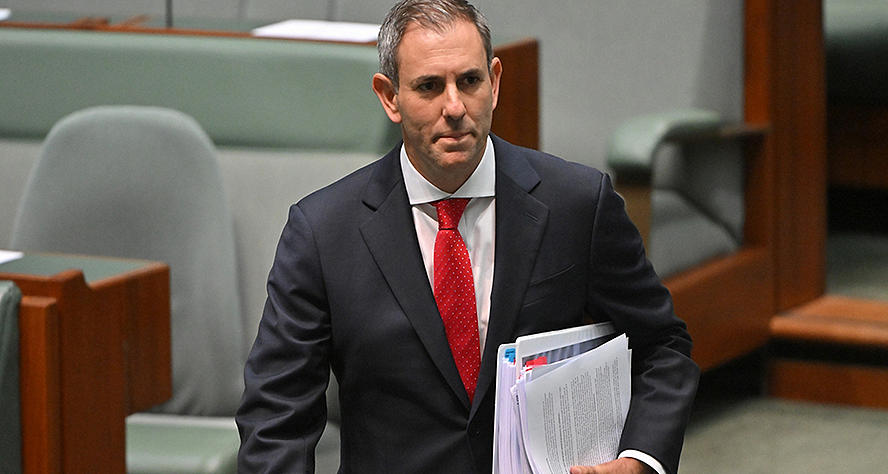
Out with the old – Labor pins its electoral hopes on the next generation
Jim Chalmers’ fifth budget has set the scene for a ‘young verses old’ race to the next election, with a determined effort to shift wealth and prosperity to younger and less affluent voters.
The price of doing so is a broken promise to investors who are – generally – older and more affluent.
The question is whether anyone will thank him.
Chalmers and Prime Minister Anthony Albanese are betting that while the broken promise may alienate one cohort of voters, it will position them as heroes in the eyes of a younger generation who – in the words of the Treasurer’s speech – “feel that the system no longer works for them”.
Notably, it’s a generation that at the last election outnumbered baby boomers for the first time.
However, it’s also a generation that has widely lost faith in institutions of all kinds – see how young people embraced the anti-establishment Pauline Hanson in record numbers at the Farrer by-election last weekend.
Will the promise of cheaper housing in the future be enough to secure their loyalty, especially when it is built on a broken promise to their parents and grandparents?
The sweeteners for younger and less wealthy Australians in the budget include a new $250 salary offset to be paid to more than 13.3 million workers, and a $1000 “no receipts” tax deduction from the middle of next year.
The focus is clearly on housing however; with measures Chalmers says will create a fairer market for younger Australians. These include funding infrastructure to support 65,000 new homes.
Investors, by contrast, will be hit with:
- An end to negative gearing for existing homes purchased after tonight, and for all existing homes from next July
- A new 30 per cent minimum tax rate on discretionary trusts (which, combined with the negative gearing changes will reap $8.1 billion in extra tax revenue by 2030)
- More than $3bn in cuts for net-zero initiatives including subsidies and tax breaks for high-end electric vehicles, hydrogen, solar and batteries
- And $11 billion in cuts to the private health insurance rebate for over 65s.
Across the next decade, the Budget projects a net increase in tax revenue of $77 billion, and a $45 billion improvement in total deficits over the next five years.
Reforms to the NDIS are projected to save $185 billion over 10 years.