



The Inside Word
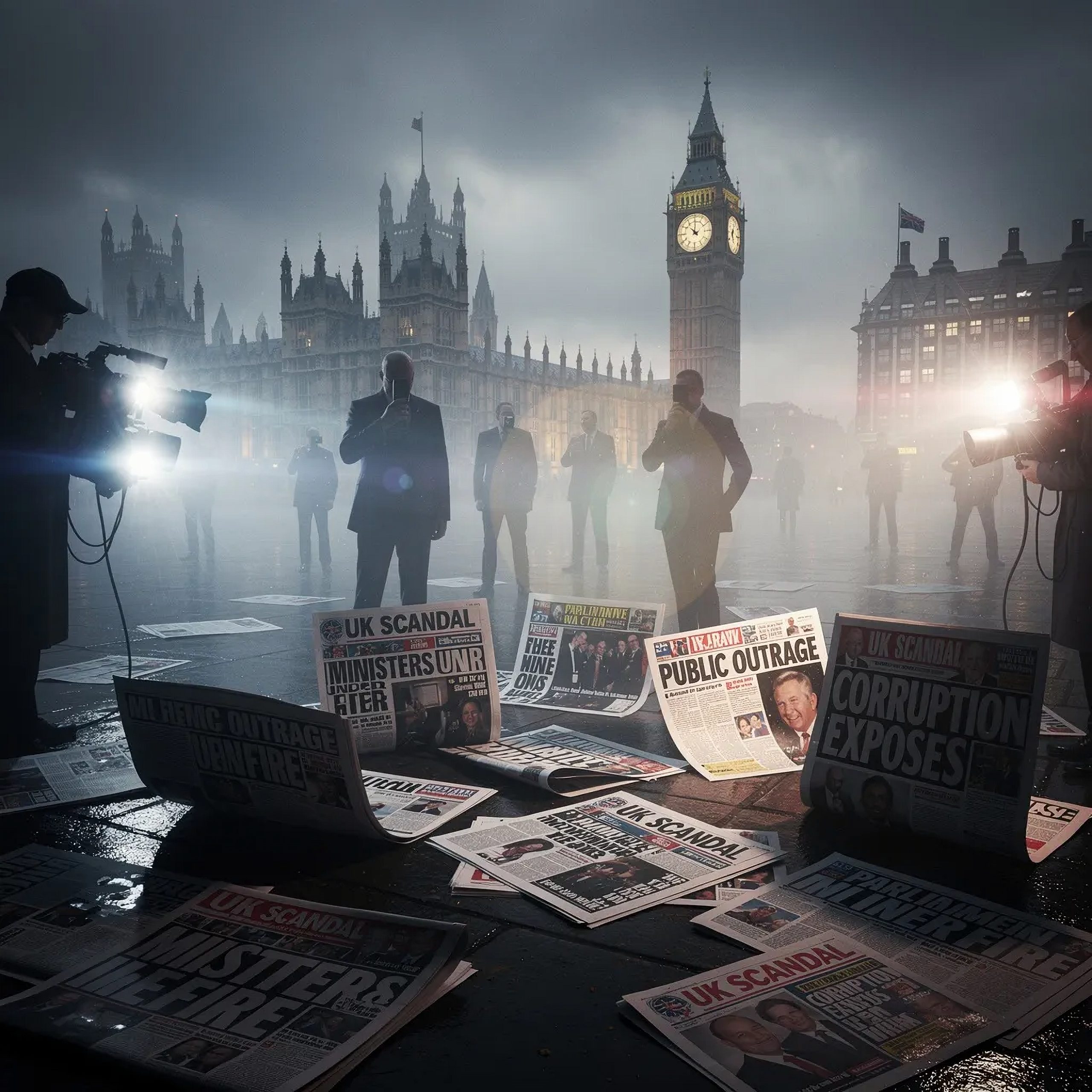
How not to survive a scandal: UK edition
No country does a political scandal like the UK. The latest, involving former Ambassador to the US Peter Mandelson, surely ranks as one of the worst.
For those unaware, Mandelson was forced to resign as the UK’s chief diplomat in Washington over the fact that he had maintained a relationship with convicted sex offender Jeffrey Epstein.
Mandelson, who acquired the title ‘The Prince of Darkness’ for his ruthless political conniving, is no stranger to scandal. On two separate occasions, he was forced out of Tony Blair’s Cabinet due to shady dealings.
What adds to the pain for current PM Keir Starmer is that he recently admitted he was aware, Mandelson had maintained a friendship with Epstein post-conviction. Talk about an own goal.
You’d think the lesson here is so obvious it shouldn’t need to be learned the hard way. If you hold high office, you should demand the highest standards from those you appoint to key positions. This wasn’t even a failure of vetting; it was a colossal failure of straightforward judgement that looks set to see Starmer become the latest UK PM to hit the political scrap heap.
However, Mr Starmer is just the latest in a long list of British politicians that have exercised such poor judgement you could be forgiven for assuming they had self-sabotaged.
Here is a list of the worst British political scandals in living memory and the lessons to be learned:
Profumo affair
John Profumo was Secretary of War in the early 1960s in the Conservative government of Harold MacMillan. Given the portfolio, and the fact that it was at the height of the Cold War, it was a role that saw Profumo handling extremely sensitive information.
Hence, not wise to be a 46-year-old married man having an affair with a 19-year-old dancer who was simultaneously engaging in relations with a Soviet naval attaché. To compound matters, he also lied to Parliament about the affair, ultimately destroying both Profumo’s career and Harold MacMillan’s prime ministership when the truth emerged.
MP expenses
A politician pushing the limits when using taxpayer money to subsidise expenses is nothing new. But the 2009 UK expenses scandal went far beyond an MP slugging taxpayers for a taxi ride to a concert.
The scandal enveloped dozens of politicians from across the political aisle. The most egregious examples included taxpayers footing the bill for lavish expenses such as a duck house, moat cleaning, and home improvements. The scandal resulted in 392 politicians being ordered to repay a total of £1.3 million. Several MPs and peers faced criminal charges, with some receiving prison sentences.
John Prescott punches a protester
At the start of the 2001 election, then Deputy Prime Minister John Prescott was attending an event in North Wales. As the portly Mr Prescott was ambling along, a protester, suddenly, smashed an egg on the back of his head. The former amateur boxer’s instincts kicked in, and he retaliated with a left jab. Both walked away from the incident unharmed but shaken. Although it attracted large media attention, the incident affected neither the election outcome for Tony Blair nor Prescott’s career.
‘Good day to bury news’
The rubble was still smouldering at the World Trade Centre site on 11 September 2001, when the dumbest and most cynical email in the history of politics was sent. Jo Moore was chief spin doctor to the Transport Minister when she fired off an email to staff and departmental officials that it was a ‘good day to bury bad news’. Alluding to the fact that any negative stories would get zero coverage in the light of the worst terrorist attack on US soil.
Asides from losing her job, the supreme irony is her choice of words will never be forgotten.
Jeffrey Archer
Best-selling author and prominent Conservative politician Jeffrey Archer became embroiled in a tawdry scandal right when he was running for Lord Mayor of London in 1999 (how convenient). In the late 80s, Archer had sued the Daily Star over an allegation he had paid to have sex with a high-end London prostitute.
However, more than a decade, later it emerged he had engaged in relations with the prostitute, faked an alibi, paid a friend to lie under oath, and had committed perjury. Jeffrey then spent a few years in the slammer where he compiled a three-volume memoir on his prison experience (what else would a best-selling author do in the clink).
All the above were crises that even a magic wand would have struggled to fix. Each case involved an error of judgement that had the potential to be career-ending. Managing your reputation is your most important asset. The SAS Group has extensive experience in helping clients navigate negative publicity. But the key is to have a plan in place before a crisis hits to allow you the best opportunity to minimize brand damage. If safeguarding your reputation is something you’re interested in you can find more details here.