



The Inside Word
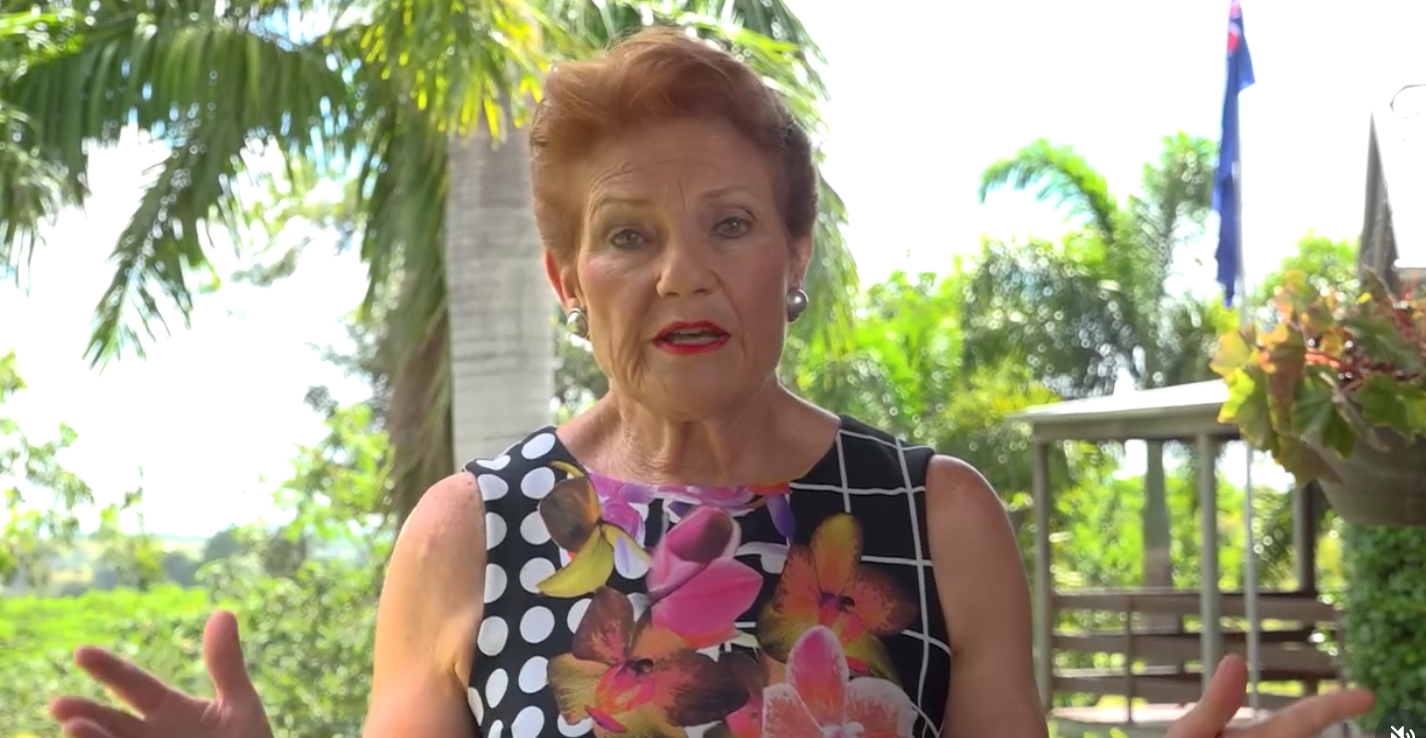
One Nation surge, winning their first House of Reps seat
The One Nation surge in support is driven by cost-of-living pressures, immigration and an electorate hungry for more honesty and authenticity from politicians.
In March this year at the South Australian election, the Liberal vote collapsed by almost 17% across both houses, securing just 5 seats in the lower house and 6 in the upper house. By contrast, and for the first time, One Nation won 4 lower house and 3 upper house seats in the South Australian Parliament.
On 2 May, the Liberals held the Victorian seat of Nepean at a by-election, but with a primary vote drop of around 9 points (38.7%), against a One Nation primary vote of 24.5%.
One week later, the Farrer by-election saw One Nation’s David Farley elected as the new Member for Farrer and the first One Nation member elected to the House of Representatives. Again, the Liberal vote collapsed from 43% in 2025 to around 11% one year later.
This is the third strong result for One Nation in 2026 that has secured them seats in Parliament. This isn’t a protest anymore; it’s a shift in how Australians are voting. If this trend continues into the Victorian state election in November, the two major parties face an enormous electoral challenge. All eyes will be on the new Liberal leader Jess Wilson to see if she can do enough before the election to make the Victorian Liberals competitive in November.
Federally, for Angus Taylor, how to arrest a declining vote is the single biggest challenge he faces. The cost of living, sustainable immigration levels and a leaking of votes to a surging One Nation may be too great a challenge to overcome — but that said, there are still two years until the next federal election.
Is the current direction from Angus Taylor simply responding to the surging One Nation vote, or is there a longer-term strategy to ensure the Liberals are match fit and seen as an alternative government in 2028? The current debate over the content of Labor’s federal Budget may be the best opportunity the Liberals have had for some time to turn around the decline in their vote — a monumental task when you consider that the Liberals hold just 8 metropolitan seats across the country.
Both Angus Taylor and Matt Canavan will need to be spot on as they make the case against the proposed changes to negative gearing, capital gains tax and trusts. If they are successful, this Budget may well be seen as the turning point where the Liberals start to make up ground in the contest for the next federal election in 2028. If not, the beneficiary will likely be One Nation, who have recently been tipped to win more than 50 seats at the next federal election. This is reshaping the political landscape, and anyone who fails to adapt will be overlooked and removed by popular demand.