



The Inside Word
Bondi to Washington: Historical lessons for the modern statesman
Over the summer, two books influenced my thinking: First Amongst Equals, Hans L. Trefouss’s account of Abraham Lincoln’s rise to the US presidency, and Tony Abbott’s History of Australia.
Lincoln was renowned for uniting the Republican Party. Not only did he prevail in the American Civil War, but he also laid the foundations in 1865 for the modern United States of America.
One of Lincoln’s most notable attributes was his willingness to embrace archrivals during his time in government. He harnessed their capabilities with a view to achieving the best outcomes for the country and its people – a stark contrast to the current White House administration.
On the other hand, Tony Abbott’s book traces Australia’s history from our British beginnings, starting with the arrival of the First Fleet in 1788, through to the formation of our Westminster-based 21st-century society. Indeed, it is a ‘good read’.
Fast-forward to 2026, and leaders of both nations would do well to heed Lincoln’s prophetic words: “A government of the people, by the people, and for the people.”
Prime Minister Anthony Albanese’s ‘government of the people’ will be tested next week. In response to the 14 December Bondi terror attack, the Federal Parliament has been recalled early for 19 and 20 January to deal with new hate speech legislation, the banning of extremist groups, and the introduction of a new gun buy-back scheme. Hopefully, the latter is not being used to wedge the Opposition on a national issue meant to foster social cohesion.
The government’s belated response to antisemitism, followed by its initial rejection of – and subsequent backflip on – calls for a Royal Commission, has seriously undermined the PM’s leadership credibility. With the nation shaken by the Bondi terrorist atrocity, the ALP will be hoping it can politically cauterise this self-inflicted harm and regain momentum.
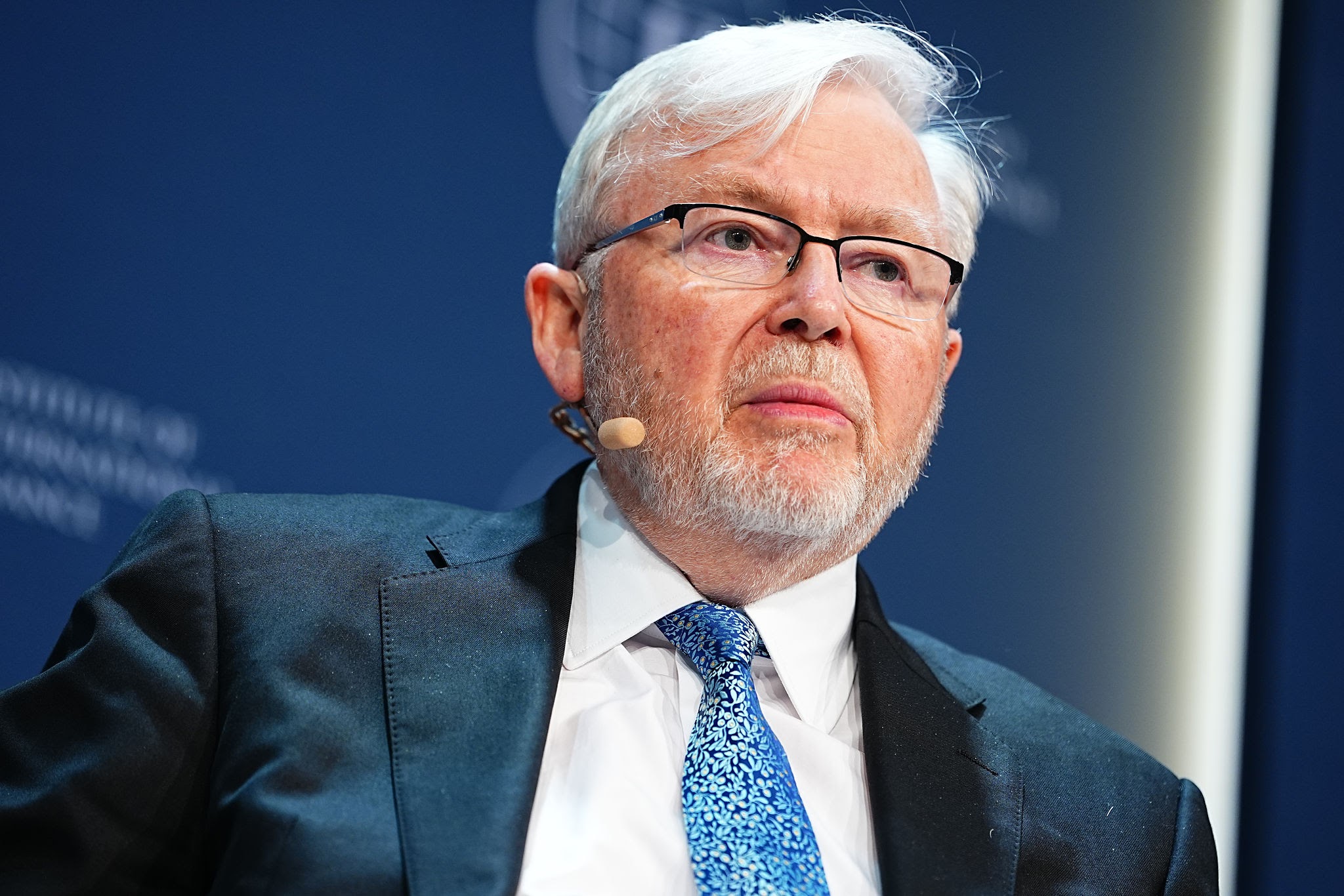
This week’s announcement of former PM Kevin Rudd’s resignation as Ambassador to the US is a welcome circuit breaker for the government, which has been relentlessly attacked by News Corp over its inaction on antisemitism.
Objectively, Kevin Rudd has represented Australia’s interests with political adroitness, dedication and a relentless work ethic, notwithstanding some past foolish comments about President Trump.
The United States remains Australia’s most crucial trading partner, both economically and in defence, and this key diplomatic role has traditionally been filled by former senior politicians.
In my opinion, the most logical successor is the Minister for Trade and the Special Minister for State, Senator Don Farrell. He is arguably the most commercially astute member of cabinet: politically savvy, trusted by the PM and with a strong track record of successfully negotiating multiple trade agreements in the nation’s favour. Farrell is a dealmaker who is well-suited to managing the mercurial Trump administration.
Another alternative is former ALP Defence Minister Joe Fitzgibbon, who has built a formidable commercial reputation and has grown closer to the PM since departing political life.
As 2026 gets underway, Anthony Albanese and Leader of the Opposition, Sussan Ley, could both take a leaf out of Abraham Lincoln’s First Among Equals philosophy: promote the most capable individuals without fear or favour.
For the Liberal Party, elevating capable political talent into the Shadow Cabinet may help reverse its diabolical voting trend. For the government, the new diplomatic opportunity may free up a key ALP Cabinet post.
Only time will tell.
Photo credit: Getty Images