



The Inside Word
Blue blood, red flags
At a bipartisan government relations firm like SAS Group, you’re bound to hear one of the following terms: ‘blue human’ or ‘red human’, a.k.a. Coalition or Labor. And if you’ve read my articles before, including my glowing write-up of socialist NYC mayor Zohran Mamdani, you can probably figure out my politics. But I didn’t grow up in a Labor-voting household. Not by a long shot. The last time someone in my extended family voted for Labor was for Bob Hawke in 1987, and that was less about policy and more about, well, Bob Hawke. I broke my family’s well-kept blue streak in 2020 with a vote for QLD Labor, and I have considered myself a member ever since. This is my way of saying I understand tribal politics, and more than that, how hard it is to turn your back on what you know and walk out the door. Which is exactly what is happening in our country today.
In 1987, Hawke’s Labor won 86 seats on a 45.9 per cent primary vote. Cut to 2025, with 94 seats in parliament, Albanese’s Labor government may rule the roost, but it managed that with only 34.5 per cent of the primary vote. Eleven points different. Don’t even get me started on the Liberal Party, whose branch membership keeps thinning in key states like Victoria and NSW. With One Nation rising in the polls, it’s not hard to figure out where once-trusted voters are hanging their hats. The bigger question is why.
Reason number one: they believe the party has stopped speaking to them. In Victoria, Labor, once the voice of the working class, has shifted towards metropolitan and tertiary-educated voters, and away from its traditional base. The working assumption for Vic Labor HQ was that the old guard of voters had nowhere else to go. Never assume. Staring down the barrel of defeat, the incumbent party changed leaders this week: after Jacinta Allan’s approval rating fell to 25 per cent (Newspoll), colleagues moved to install Ben Carroll four months out from the November contest. While this may work, the issues affecting Victorian Labor are structural, not cosmetic. As the party drifted away from the key issues of jobs, housing and living costs, the traditional base took notice.
Voters also leave when they no longer recognise themselves within the party. The Liberal Party’s blue-ribbon seats of Kooyong, Goldstein and Wentworth fell to Teal independents in 2022 because a base of moderate, professional voters no longer saw their priorities on climate and integrity reflected in a party whose right flank had taken control.
Also worth noting is the collapse of branch membership. Once the connective tissue between party and voter, it has thinned across Victoria and NSW, leaving fewer volunteers doorknocking, fewer local faces at street stalls, and fewer human contact points between platform and person. This year, the NSW Liberal Party’s membership fell from 13,000 in 2022 to 6,000 in 2025. Victorian branches have reported a similar pattern of ageing memberships and few new recruits. Absent that infrastructure, the parties have become brands people see only at election time. It’s hard to stay loyal to a brand that feels more and more faceless each year.
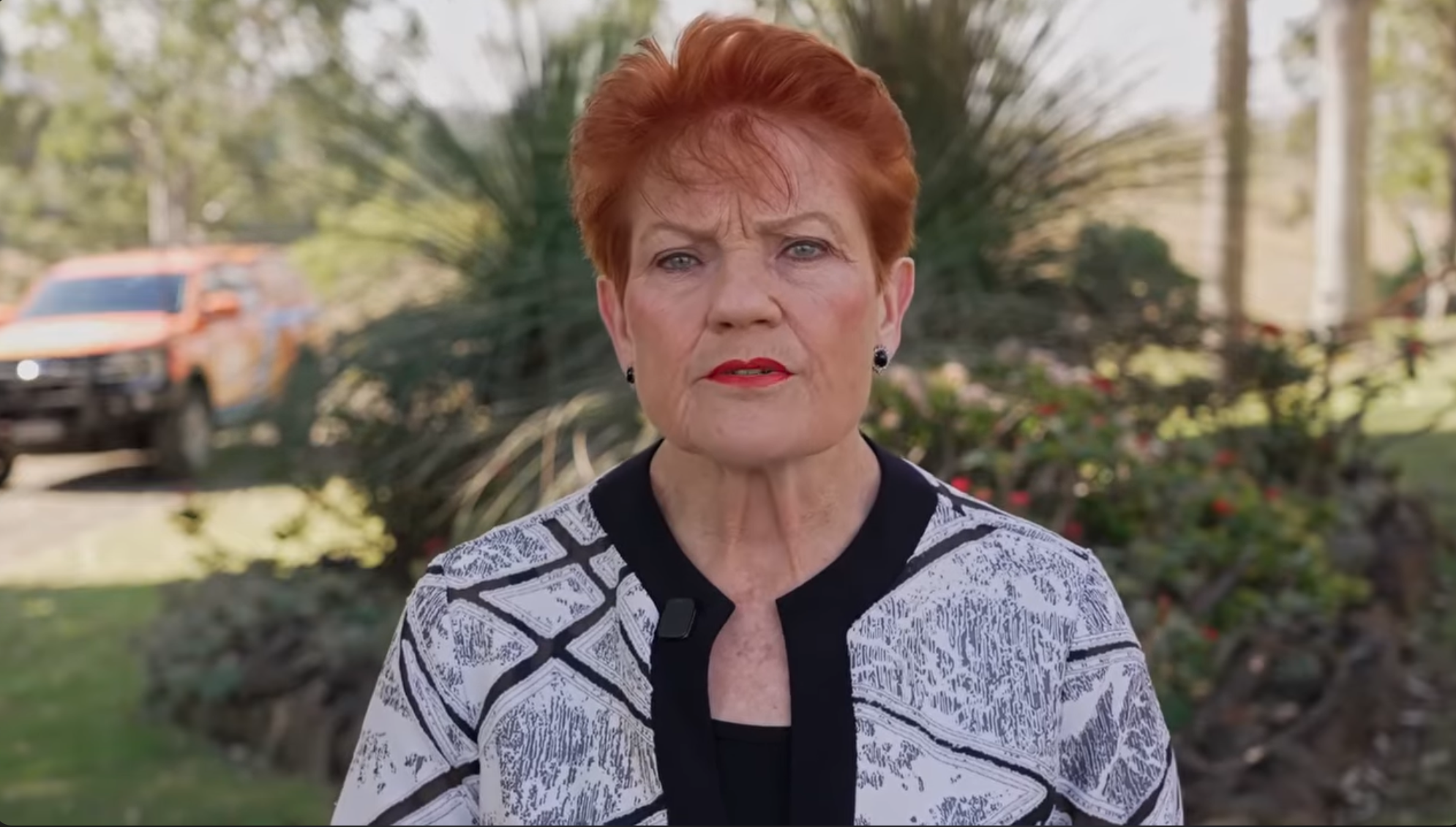
One Nation is doing the opposite. The party is fielding candidates in close to every seat for November’s election, already holds its first lower house seat nationally after this year’s by-election, and polled at 23 per cent of the primary vote at the South Australian election in March, ahead of SA’s Liberals. Whatever ground game the major parties have let go, One Nation is building in its place.
This is neither inevitable nor unique. Material neglect, demographic shift and institutional hollowing are diagnosable problems, and these problems can be corrected before the next primary count. Whether the parties can have the honest conversation necessary to bring about that change is another question entirely.