


The Inside Word
Human art vs AI art
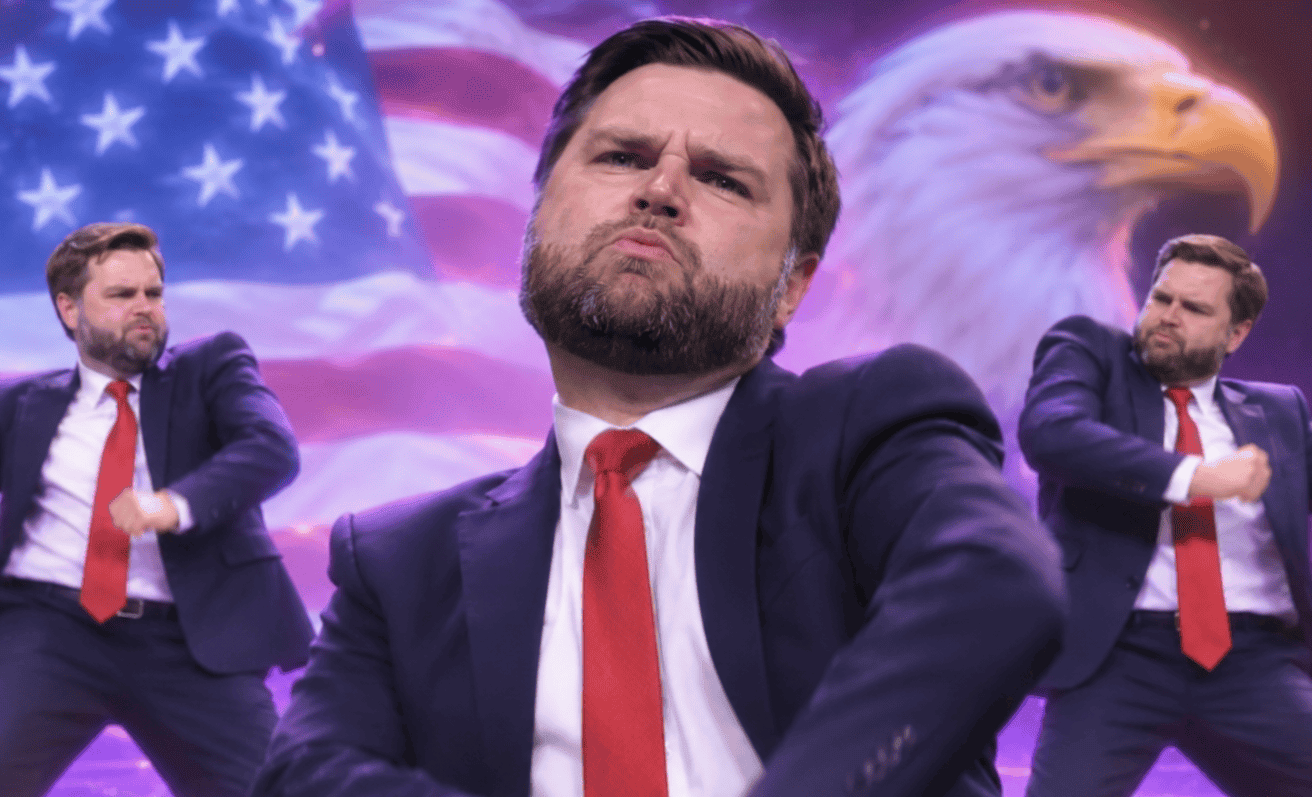
I’m always fascinated by people who love a bit of AI slop. I have a brother who sends me AI-generated Pokémon Reels on Instagram. I have a mate who can’t get enough of the low-quality AI-generated videos of JD Vance dancing.
But it doesn’t quite hit the mark for me.
They know it’s garbage. They know it’s created with AI and not real art. But I guess that feeds into the irony of why they like it, I suppose?
Recently, a colleague and I used AI-generated imagery to create realistic people for a series of digital ads. Our client, a not-for-profit, wanted to make every dollar count, and this approach let us deliver the visuals they needed while keeping their budget focused on their mission.
At the time, it felt like an easy win. But my colleague raised something I hadn’t fully considered: what this shift means for the photographers and models he works alongside. It’s a question that’s stayed with me, and it’s one the whole industry is now wrestling with.
With all this going on in the world, it’s no wonder why the needle is starting to shift back in the other direction. Audiences worldwide are starting to call out and even boycott brands that are overly reliant on AI.
The classic go-to example is Coca-Cola’s AI Christmas ads. Coca-Cola faced massive backlash and boycott calls two years running, in 2024 and 2025, for AI-generated Christmas ads. AI was used to generate over 70,000 video clips in 30 days.
They must be operating under the idea that any publicity is good publicity – as they still have their comments turned on. Some of my favourites include ‘This is so dystopian’, ‘Soulless’, and ‘The most profitable commercial in Pepsi’s history.’
McDonald’s Netherlands, on the other hand, quickly backtracked after releasing a 45-second Christmas commercial made entirely with generative AI. It went live on 6 December 2025 and was taken down just three days later.
But as I said, the needle is starting to swing in the other direction. Brands are now starting to focus on bringing the human element back to the forefront of their creatives.
Dove started this trend. In April 2024, it became the first beauty brand to formally pledge never to use AI to create or distort images of women in its advertising.
My favourite example is the recent Prada Christmas campaign, which featured veteran Disney animator John Pomeroy for its 2026 holiday campaign, titled Drawing Prada: Animated by Hand. The campaign pairs luxury fashion with traditional pencil-and-paper animation.
Other brands are starting to follow suit. Burberry, for example, partnered with Sir Quentin Blake on a capsule collection with bold, hand-drawn motifs across womenswear, menswear and childrenswear. The campaign message was “Drawn to it”, and it featured across Burberry’s Summer 2026 imagery.
And now we are seeing many other brands jump on the bandwagon, from Aerie – American Eagle Australia pledging “No AI-generated bodies or people. Real people only” – to Hermès and Chanel. And now even Polaroid, LEGO and Apple are starting to shift their advertising focus away from AI and back to human creativity.
Human art comes from personal experience, emotion, consciousness and a desire to communicate a unique worldview – as well as a finely tuned and developed skill. AI art is generated via statistical algorithms and pattern recognition based on text prompts. And although the difference is becoming more difficult to spot as these AI systems get smarter and smarter, we all intrinsically know how the AI revolution makes us feel.