



The Inside Word
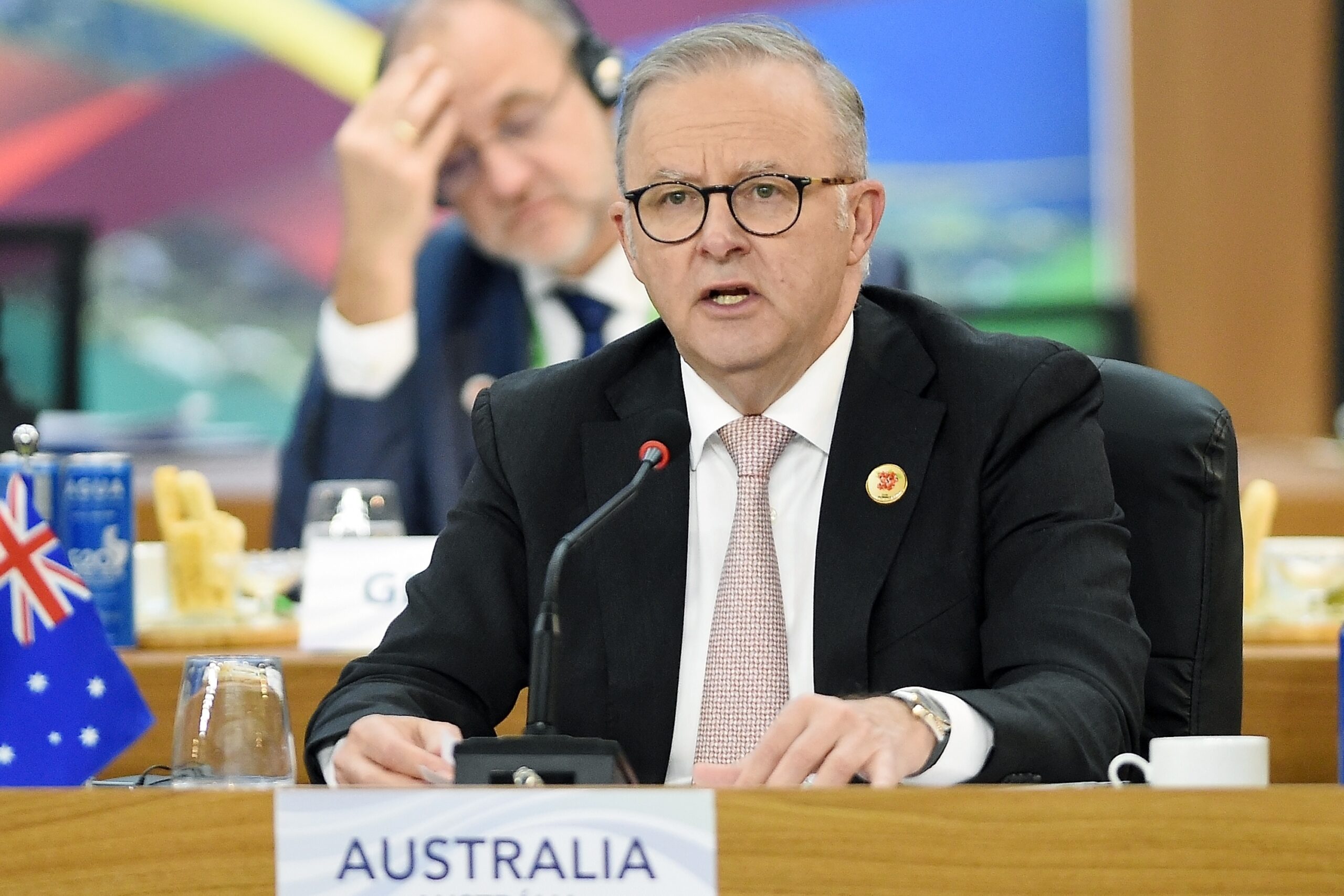
Could Albo’s address have been an email?
There is a moment in every crisis – brief, almost cinematic – where a leader earns the room or loses it. Wednesday night, Prime Minister Anthony Albanese pulled one of the rarest levers in Australian politics: a national address, coordinated across every major television and radio network – a format so rare it had COVID-traumatised Aussies paying attention before he’d said a word.
The announcement came eight hours before airtime. Eight hours of speculation, anxiety, and, potentially, doomscrolling. By 7pm, he had the country’s attention. What we’re about to dissect is what he did with it.
What would you have done with it?
If you’re in the business of communication – and we are – you know that before you answer that, you have to answer two questions: who are you talking to, and what are you telling them?
Not sell. Tell.
In a crisis, the two are inextricably linked – but they need to be tactfully separated. Selling is normally about you: your record, your policies, your party. Telling is about your audience: what they need to know, what they need to do, and why it matters right now. Get the telling right – sell the urgent action – and, et voilà, you inevitably sell the leader behind it. Because whatever you think you’re selling, trust is the currency.
Australians watching on Wednesday night were not tuning in for a policy brochure. They were tuning in because, frankly, they were scared. And the announcement of an address that reeked of the ghost of COVID past only added more fuel to the fire (pardon the pun). The Strait of Hormuz is closed. Fuel prices are climbing. Uber push is now a thing because we might not have much fuel left (just kidding – it’s not). The ghosts of COVID announcements were doing laps around the living room – it’s a cocktail of anxiety; that’s what our audience is contending with.
Instead, the address spent considerable real estate on what the government has already done – the halving of fuel excise, the National Fuel Security Plan, the interest-free loans. All good things. All worth saying – but maybe through an EDM or a promo reel.
The Prime Minister’s address was meant to be a watershed moment, and watershed moments demand one thing above all else: a turning point.
It should have been a turning point for how the nation would respond.
Brands achieve cut-through in a crisis when they are honest about what they know, clear about what they don’t, and direct about what comes next.
The call to action could have been the most significant portion of the PM’s address. Instead, it was perhaps its greatest missed opportunity. The PM suggested Australians consider using public transport. He suggested not taking more fuel than needed. In a crisis, suggested action fails to deliver urgent outcomes. Your audience needs to feel that if everyone pulls in the same direction, something will actually change.
“Working together and looking after each other, as we always have” is an important patriotic sentiment. But without gravitas and urgency behind it, it’s a bumper sticker – not a battle cry.
Never waste a crisis – not because crises are opportunities for opportunism, but because they are the rare moments when people stop to actually listen. All eyes are on you. And how you respond will be remembered.If you ever find yourself in a crisis quandary about whether to hold a presser, send an email, or address the nation – you never have to make that decision alone. The SAS Group is only a phone call away.