



The Inside Word
2026: the LNP’s year to pull the trigger
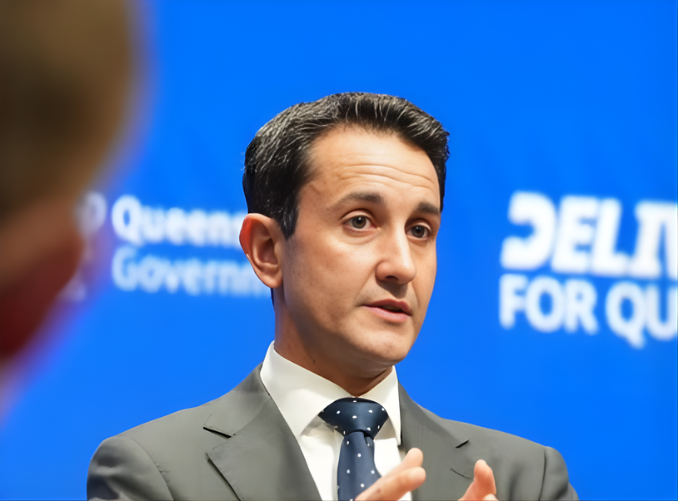
Politics runs on calendars as much as it runs on convictions. For Queensland’s Crisafulli Government, 2026 isn’t just another year in office – it’s the last clear runway before the election clock starts working against them.
Four-year terms might sound like we get more governing time. But in reality, the governing window is tighter than most voters realise. By early 2027, the government will be in election-prep mode: messaging sharpens, risk tolerance drops, and reform ambition narrows. That makes 2026 the year for the Crisafulli Government to make hay while the sun shines (especially if said reforms are uncomfortable).
If 2025 was about settling in and stabilising, 2026 must be about impact.
This means landing visible progress on the issues Queenslanders care about most: the issues the LNP campaigned on. Cost-of-living pressures can’t just be acknowledged; they need to be demonstrably eased. Whether through energy affordability measures, subsidised transport costs, or regulatory relief for small business – voters need to feel a difference in their hip pocket before the debate hardens into campaign talking points.
‘Law and Order’ is a major area where intent alone won’t suffice. Community expectations around youth crime, repeat offending, and victim support are high. 2026 is the year policies must show real-world impact: stronger early intervention where it works, firmer consequences where it doesn’t, and clear accountability across the system, all evidenced by cold, hard data. By 2027, the question won’t be “what are you doing?” but “did it work?”
Health is in the same basket. Emergency department pressures, hospital capacity, and workforce shortages are long-term problems, but governments are judged on momentum. Tangible improvements – reduced ramping, shorter wait times, better regional access – need to be underway and measurable in 2026, not promised for a future time.
Housing and planning reform also sits squarely in the 2026 window. Boosting supply, cutting approval delays, and aligning infrastructure with growth are politically complex and often unpopular in certain circles. That’s precisely why they need to be advanced now. Reforms that unlock housing in 2026 can show results by 2028. Reforms delayed until 2027 will be dismissed as too little, too late, and seen (or painted) as political opportunism.
Then there’s the machinery of government itself. Every incoming administration inherits a public service calibrated to a different set of priorities. Of note in this space is that of the 60 State Executive Service appointments since the last election (e.g. the role of Director-General), 58 have been internal movements. If departmental restructures, senior staffing changes, or capability upgrades are required to deliver on election commitments and LNP priorities, 2026 is the year to do it. Now’s the time for unpopular decisions. After that, disruption starts to look like instability and ministers become reluctant to touch anything that might spook the pre-election narrative or reinforce Opposition messaging.
Budget discipline, program consolidation, and winding back initiatives that don’t deliver value rarely win headlines. But deferring them only compounds the problem. Governments that avoid hard calls early usually face harsher ones later, with less political capital to spend.
The underlying truth is simple: by 2028, Queenslanders will be judging outcomes, not ambition. The story of this government – competent reformer or cautious caretaker – will already be written.
2026 is the year the Crisafulli Government must make the big calls, absorb the noise, and let the results mature in advance of the next state poll. Because once election preparation begins, governing gets a lot harder and excuses just won’t wash. Buckle up!
Photo Credit: Instagram